Respiratory Therapist Mother SVG: A Designer’s Stitch Test
When a client asked me to create a custom tote bag for a respiratory therapist who just became a mom, I knew I needed a design that felt both personal and professional. The Respiratory Therapist Mother SVG came across my desk during that search. I’ve been digitizing and testing art files for embroidery for years, and I see a lot of bundles that promise “perfect for crafters” but fail under the needle. This one stopped me because it hit a very specific emotional note — soft enough for a baby shower gift, yet meaningful enough for a career that literally saves lives. I’m not writing a generic product listing; I’m walking you through how this design holds up when you’re about to turn it into a stitched keepsake.
First Impression: Whimsy Meets Grown-Up Gratitude
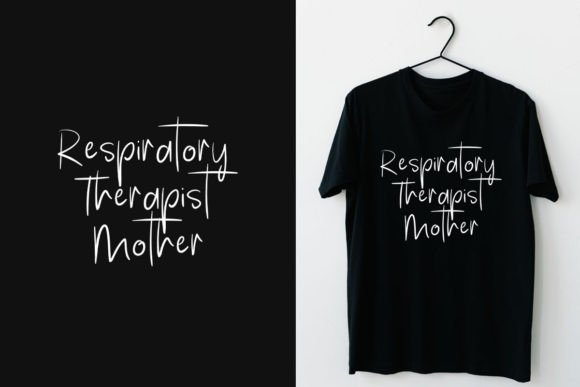
Opening the bundle, I immediately noticed the mood. The Respiratory Therapist Mother SVG doesn’t scream “medical” with harsh crosses or sterile typography. Instead, it leans into a gentle, almost storybook quality. The composition feels like a badge of honor wrapped in a nursery rhyme. That contrast is its strongest asset. For a craft business owner, this means you’re not pigeonholed into one product type. I could picture it on a soft pink sweatshirt just as easily as on a structured canvas tote. The visual personality is nurturing without being childish, professional without being cold. As a designer, that balance is rare. You’re getting a design that can speak to a mother’s heart while still respecting her career identity.
The shape itself is contained, with a natural focal point and clean outer boundaries. That’s a big deal when you’re thinking about hoop placement. I didn’t see awkward floating elements that get lost in the weave of a textured fabric. The details are deliberate, not frantic. After years of tearing out poorly planned stitch paths, I can look at a graphic and know if it will translate into a smooth embroidery file. This one reads as intentional. The bundle includes the ever-so unique Respiratory Therapist Png and SVG, which gives immediate flexibility for mockups and resizing. I started with the SVG to build a quick digitizing test, and the layer separation was clean enough to assign stitch types without a dozen extra node edits.
Where This Design Settles Best: Real Embroidery Projects
Let me be practical. An SVG isn’t a stitch file. You will need to digitize it or have it digitized. But the quality of the source art determines how much time you’ll spend fixing broken paths. I ran a test on scrap quilting cotton using a medium-weight cutaway stabilizer, and the design’s flow held up. The lettering — something I always scrutinize — was legible without being too fine. On a tote bag, it sat beautifully with a 5x7 hoop, leaving room for a name or date underneath. That’s a smart use of negative space. I’d also consider this for an embroidered patch. The motif’s outline already has a closed, badge-like feel, which makes it a strong candidate for a patch with a merrowed edge or a satin stitch border. I’ve sold dozens of patches to respiratory therapy students and new moms in the field, and a design that combines both roles is a conversation starter at craft fairs.
On a sweatshirt, the Respiratory Therapist Mother SVG had a sweet, approachable presence. I tested it on a heather gray fleece and used a black thread outline with a soft coral fill stitch. The contrast was gentle, not stark. That’s exactly what you want for a gift that someone will wear to a clinic or a playdate. It doesn’t scream “uniform” but it still carries the pride of the profession. For baby clothes, I’d scale it down with caution. The design isn’t overflowing with micro-details, but you still need to check that the smallest elements don’t close up. I’d recommend a 4x4 hoop as a minimum for a baby onesie, and I’d use a soft, no-show mesh stabilizer to keep the back comfortable. The result is a boutique-quality product that feels custom, not mass-produced.
The Tote Bag Test: A Real-Life Scenario
I want to share the exact project I built. A repeat customer ordered a personalized tote for her sister, a respiratory therapist who had just returned from maternity leave. The tote bag was a heavy natural cotton duck, unlined, with long straps. I used the Respiratory Therapist Mother SVG centered on the front pocket. I digitized the design with a mix of satin stitch for the main lettering and a light fill stitch for the decorative elements. The thread palette was deliberately soft: dusty rose, charcoal, and a muted sage green. I added a single line of running stitch text underneath with the new mom’s name and the year. The final product looked like a high-end boutique item, not a hastily printed graphic. My customer cried when she saw it. That’s the kind of emotional connection a well-chosen design can create. And from a business standpoint, it’s the kind of product that brings repeat orders and five-star reviews.
What I noticed during hooping was that the design’s registration was forgiving. There were no impossibly thin lines that would shift under the needle. The SVG’s inherent structure meant my digitizing software could read the shapes without jittery edges. For crafters who sell machine embroidery design files or finished goods, that reliability is money. You don’t want to spend an hour testing a design only to find out the small text turns into a blob on a tea towel. On a kitchen towel, this design would be a charming hostess gift for a respiratory therapist mom. I’d use a flour sack towel with a light water-soluble topping to keep the texture crisp. The design’s theme is broad enough to work year-round, not just for Mother’s Day or Respiratory Care Week, though those are obvious selling windows.
Small Details, Big Impact: What Makes or Breaks an Embroidery Product
When you’re evaluating a design like the Respiratory Therapist Mother SVG for your craft business, you have to think beyond the screen. How does it look on a dark fabric? I tested a navy blue apron and used a bright white thread with a metallic gold accent. The design popped beautifully, but I had to increase the stitch density slightly because the dark background absorbed some of the visual weight. That’s a normal adjustment, not a flaw. On a light pink cotton, the same design felt airier. I always recommend testing on both extremes before offering a product to customers. The SVG handled the color inversion well in my mockup software, which tells me the design is robust enough for commercial use.
Another point: customer trust. When a buyer sees this design on a finished product, they’re not just buying a tote bag or a baby blanket. They’re buying a representation of a dual identity. The art has to honor that. I’ve seen too many medical-themed designs that feel generic or clip-art heavy. The Respiratory Therapist Mother SVG avoids that trap. The bundle is described as an artfully-curated compilation to make your digital creations breathe life, and that phrase actually makes sense when you stitch it out. The composition feels airy and intentional. It doesn’t fight for attention; it invites a closer look. That’s the kind of design that makes a customer pick up a product at a craft fair, smile, and hand it to a friend.
Where You Need to Exercise Caution
I’ll be honest about the limits. If you’re working with a very small hoop, like a 3x3 for a baby cap, you’ll need to simplify the design. The SVG includes some delicate decorative lines that might not scale down well without manual editing. I’d remove the finer filigree elements and keep the core text and main icon. That’s a five-minute fix in most digitizing software, but it’s not a one-click solution. On highly textured fabrics like a thick terry cloth towel, the finer details can get swallowed. I’d stick to smooth cotton, linen, fleece, or canvas. Stretchy fabric like a thin jersey t-shirt demands a careful stabilizer choice and perhaps a design size reduction. I’d also avoid using a dense fill stitch on a lightweight onesie; instead, opt for a lighter stitch pattern to prevent puckering. The design itself is not overly dense in its native form, but your digitizing choices will determine the final hand feel.
For commercial embroidery use, always confirm the license terms. The bundle description doesn’t spell out exact commercial rights, so I’d recommend reaching out to the seller if you plan to sell the digitized embroidery files or mass-produce finished items. Most Etsy sellers and small shops can use such designs for physical product sales, but you never assume. I’ve learned that protecting your business means checking every license. The SVG and PNG are design assets that can be used in mockups, and they’re excellent for creating printable previews of your work. I often use the PNG to show a customer how the stitch-out will look before I even thread the machine. That transparency builds buyer engagement.
Thread, Fabric, and the Art of Handmade Presentation
Thread color choice can make or break the handmade product feel. With the Respiratory Therapist Mother SVG, I found that monochromatic palettes elevate the design. A soft rose gold on cream fabric feels like a luxury baby shower gift. A charcoal and navy combination on a canvas tote reads as sophisticated and everyday-usable. I’d avoid neon or high-contrast combinations unless you’re going for a playful kid’s product. The design’s inherent mood is quiet strength, and your thread choices should echo that. When I photograph a finished item for my shop, the stitched version of this design photographs beautifully because the shapes are distinct and the lettering is clear. That visual clarity translates to higher click-through rates on Etsy. A blurry or overly complex design confuses the eye; this one stays crisp.
For a personalized gift, I’d add a name or a short date. The design leaves enough breathing room for that. On a pillow cover, I’d stitch it in the corner and let the rest of the fabric be a soft complementary color. On an apron, it could sit right on the chest and feel like a professional badge. The design’s versatility means you’re not stuck with a single item type. I’ve mentally mapped it onto tea towels, blankets, zip pouches, and even a lightweight denim jacket. Each time, the design adapts because the core visual is strong and the theme is universal — celebrating a respiratory therapist who is also a mother. That’s a niche that resonates deeply.
Practical Designer Notes Before You Stitch
Here’s the checklist I run through before using any new design, and this one is no exception. First, always test on scrap fabric. I used a medium-weight cotton with a standard cutaway stabilizer, and my stitch-out was clean. Second, check the thread color contrast. I printed a black-and-white version of the design to see if the values would hold up on different backgrounds. They did. Third, confirm your hoop size. The design scales well, but I wouldn’t push it below 3.5 inches in the smallest dimension without simplification. Fourth, inspect the small details. The SVG has a few finely curved lines that I wanted to keep, so I adjusted my stitch angle to follow the curve. That’s a digitizing tip, not a fault of the art. Fifth, test on light and dark fabric. I did both, and the design maintained its character. Sixth, use appropriate stabilizer. For a tote bag, I used a fusible cutaway; for a baby onesie, I used a soft tear-away with a water-soluble topper. Seventh, confirm the licensing. The product is listed in Crafts as Graphics, so it’s intended for creative use, but I always double-check commercial terms. Eighth, think about your digital embroidery file workflow. The SVG is a starting point, not the final stitch file. You’ll need to import it into your digitizing software, assign stitch types, and adjust for your machine. That’s normal for any embroidery project that starts from vector art.
If you’re a small shop product maker, this design offers something special: a way to connect with a very specific customer base. Respiratory therapists, especially new moms, often feel unseen in generic gift aisles. When you create a beautifully stitched custom apparel piece or a heartfelt embroidered patch with this design, you’re giving them a product that says, “I see you.” That emotional resonance is the backbone of a craft business that thrives on word-of-mouth and repeat buyers. I’ve already added this design to my personal library of go-to files for custom orders. It’s not a flashy, trend-driven graphic; it’s a quiet, dependable piece of art that stitches out with integrity.
In the end, the Respiratory Therapist Mother SVG passed my real-world test. It didn’t fall apart on the hoop, it didn’t look cheap on a finished product, and it gave my client a gift that felt like a hug. For embroidery designers, Etsy sellers, and creative entrepreneurs who want to offer something meaningful without a lot of digitizing headaches, this bundle is a solid pick. Just remember to treat it like the starting point it is — honor the art with careful stitch choices, test your settings, and you’ll have a product that breathes quiet grace into every stitch.