Father of Respiratory Therapist: A Designer's Honest Review
I opened the Father of Respiratory Therapist design file on a quiet Tuesday morning, coffee in hand, with a specific project already forming in my mind. A client had reached out about creating a custom embroidered sweatshirt for her husband, a respiratory therapist who had just clocked his tenth year in the field. She wanted something that felt personal, proud, and wearable, not a generic hospital logo or a clip-art lung illustration. I had been searching for the right design asset for days, and this one stopped me mid-scroll.
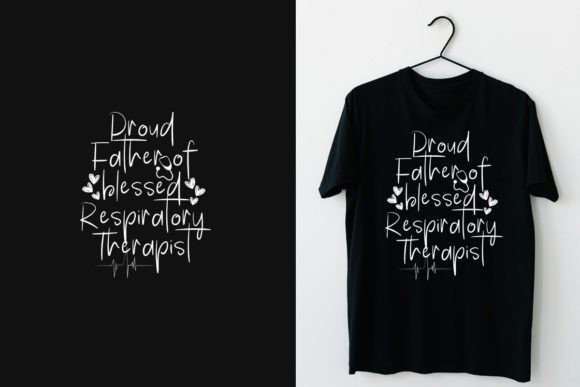
What I noticed first was the emotional weight the design carries without being heavy-handed. The Father of Respiratory Therapist concept hits a specific intersection, honoring both the professional identity and the family role simultaneously. That is not easy to pull off in a single machine embroidery design layout, where every line, every curve, and every negative space matters once thread meets fabric. From a purely visual standpoint, the composition felt balanced. The typography, the symbolic elements, and the overall shape suggested a design that would translate well from screen to stitch, which is always my first checkpoint before committing to any embroidery file.
First Impressions and Visual Personality
There is a warmth to this design that I did not expect from a profession-themed graphic. Many medical field designs lean clinical, sterile, or overly technical. The Father of Respiratory Therapist piece takes a different route. It reads as a tribute, almost like a badge of honor a child might give to a parent. The mood lands somewhere between sentimental and celebratory, which immediately expanded the range of projects I could picture it on.
The shape of the design feels intentional. It is not a sprawling, wide composition that would fight the contours of a chest pocket or a cap panel. Instead, it holds a tighter, more contained footprint, which I appreciate when I am thinking about hoop size limitations and the realities of stitching on curved surfaces. The detail level appears thoughtful, enough visual interest to catch the eye, but not so much fine intricacy that it would collapse under satin stitch density or blur into a thread mess on textured fabric.
When I pulled the design into my software to examine the linework, I paid close attention to how the lettering sat within the overall shape. Lettering can make or break an embroidery project. Too thin, and you risk thread breaks and illegibility. Too thick, and it dominates the visual field. Here, the text elements seemed to have breathing room, which told me the designer understood how stitching behaves differently from printing. That is a green flag I look for every time.
Real Project Scenario: The Sweatshirt Test
Let me walk you through the actual project I had in mind. My client wanted a medium-weight heather gray sweatshirt with the design centered on the chest, roughly four inches wide. She planned to give it as a holiday gift, wrapped in tissue paper, the kind of present that makes someone pause before they even unfold it fully.
Before I ever hoop the garment, I run a mental checklist. Will the stitch density play nicely with the fabric's stretch? Heather gray is forgiving, but sweatshirt fleece has a nap that can swallow fine details if the design relies too heavily on delicate running stitch outlines. I studied the Father of Respiratory Therapist artwork and felt confident that the design's structure, its balance of filled areas and open space, would hold up. The key, as always, would be stabilizer choice. A medium-weight cutaway backing would be non-negotiable here to prevent the design from warping over time, especially through repeated washing.
I also thought about thread colors. The design's personality would shift dramatically depending on the palette. A deep navy and gold combination would read classic and professional, fitting for a custom apparel piece meant to be worn in public. A softer sage green and cream pairing would tilt more toward a cozy, at-home feel, perfect for a personalized gift that lives on a favorite weekend sweatshirt. The design itself does not lock you into one mood, and that versatility is worth noting for any Etsy seller or small shop product creator who wants to offer color variations without redesigning from scratch.
Where This Design Shines
After spending time with the Father of Respiratory Therapist file, I started mapping out the products where it would genuinely excel. The list grew longer than I expected.
A tote bag design application came to mind immediately. A simple canvas tote, perhaps with the design stitched on the front pocket, would make a thoughtful conference giveaway or staff appreciation item. The design's shape fits a pocket panel naturally, and canvas holds fill stitch beautifully without puckering. I would use a tear-away stabilizer for that application and keep the stitch count moderate to avoid stiffness.
Then I pictured it on a structured cap. The Father of Respiratory Therapist artwork, with its contained proportions, could sit confidently on the front panel of a dad hat or a snapback. Caps are unforgiving. The curved surface demands a design that does not sprawl too wide or dip too close to the brim seam. This one passes that test. I would still recommend a test stitch on scrap fabric first, checking how the design arcs across the crown before committing to a finished piece.
For baby embroidery and kids' items, the design takes on a different meaning entirely. A small version on a baby onesie, maybe paired with the child's name or birth date, becomes a keepsake that tells a family story. The Father of Respiratory Therapist concept on a tiny garment speaks to pride in a parent's work, and I have seen those items sell well at craft fair products tables and in Etsy listings aimed at medical families. For onesies, I would use a soft, no-show mesh stabilizer and keep the design size under three inches to avoid overwhelming the garment.
Pillow covers, tea towels, and kitchen linens also made my mental list. A holiday embroidery angle could work here, imagine a set of linen tea towels with the design stitched in a subtle tone-on-tone thread, gifted to a respiratory therapist father who loves to cook. The handmade product appeal of that combination is strong, and the design's theme adds a layer of personalization that generic kitchen textiles lack.
When to Use Caution
No design is universally bulletproof, and I would be doing a disservice if I did not address the situations where the Father of Respiratory Therapist design needs extra attention.
Small hoop sizes are the first consideration. If you are working with a four-by-four inch hoop, the design will need to be scaled down, and that is where you must inspect the details closely. Any tiny lettering or fine decorative accents could close up under satin stitch at reduced sizes. I always recommend stitching a scaled-down sample on a piece of the actual fabric you plan to use, not just on stabilizer, because fabric texture affects how small details read.
Thin or stretchy fabrics present another challenge. Performance blends, lightweight jerseys, and anything with significant spandex content will test the design's stitch density. If the design has dense filled areas, those can feel stiff and board-like on a thin garment, and the fabric may ripple around the edges. A fill stitch that looks beautiful on a structured tote bag might feel completely wrong on a drapey women's t-shirt. My advice is to test on a similar fabric weight and adjust your underlay stitching accordingly.
Dark fabrics require extra thought about thread color contrast. A design that looks crisp on a white screen can lose its definition on a navy or black background if the thread colors are too close in value. I would pull the design into a black-and-white mockup before stitching, just to check whether the tonal range holds up. This is a habit I recommend for any embroidery designer working across multiple fabric colors.
Layered garments, think hoodies with a front pocket, zip-up jackets with seams running through the chest area, also need planning. If the design placement lands on a seam or over a pocket edge, the stitching can shift or distort. Map out the placement on the actual garment before hooping, and consider whether the Father of Respiratory Therapist design's footprint clears those obstacles cleanly.
Product Value and Customer Perception
From a craft business perspective, the Father of Respiratory Therapist design offers something that generic medical designs do not, a built-in emotional hook. Customers buying a personalized gift for a respiratory therapist father are not just purchasing a product. They are purchasing a moment of recognition. That changes how the finished item is perceived and, frankly, what price point the market will bear.
When I think about brand consistency for a small shop, this design fits neatly into a collection of profession-honoring pieces. You could build an entire product line around respiratory therapist appreciation, with this design anchoring the father-specific segment. The visual appeal feels professional enough for boutique branding yet warm enough for a handmade presentation at a craft fair. That balance is valuable.
I also consider the giftability factor. Some designs look great on a screen but fail to create an emotional response when held in the hand. The Father of Respiratory Therapist theme has a built-in narrative that the recipient would immediately understand. A respiratory therapist unwrapping an embroidered patch or a pillow cover featuring this design would feel seen, not just as a professional, but as a parent. That recognition drives repeat customers and word-of-mouth for any Etsy seller or small shop owner.
Practical Designer Notes
Before you stitch this design for a client order or list it in your shop, here are the steps I would take, drawn from years of trial and error.
Test on scrap fabric first. Do not skip this. Use the same fabric type, color, and stabilizer combination you plan to use for the final product. Watch how the design lays down, whether any areas pucker, and whether the stitch density feels appropriate for the fabric weight. Adjust your machine's tension settings if needed and note what worked for future reference.
Check thread color contrast carefully. What looks vibrant on your computer screen may look muted under thread. If you are stitching for a customer, offer two or three thread palette options and stitch out samples of each. This small step builds enormous customer trust and sets your handmade product apart from mass-produced items.
Review hoop size compatibility. Confirm that the design's stitched dimensions fit comfortably within your hoop's usable area, leaving at least a half-inch margin on all sides. If the design file does not include clear sizing information, open it in your embroidery software and measure before you commit to a project timeline.
Inspect small details under magnification. Zoom in on the digital file and look for areas where lines converge, where lettering narrows, or where decorative accents might become indistinct. Those are the spots that will show first if the design is pushed to its limits on a challenging fabric.
Test the design in black and white. Strip away the color and look at the tonal structure. If the design still reads clearly, you have a robust composition that will work across multiple fabric backgrounds. If it falls apart, you will know which thread colors are doing the heavy lifting and where you might need to adjust your palette.
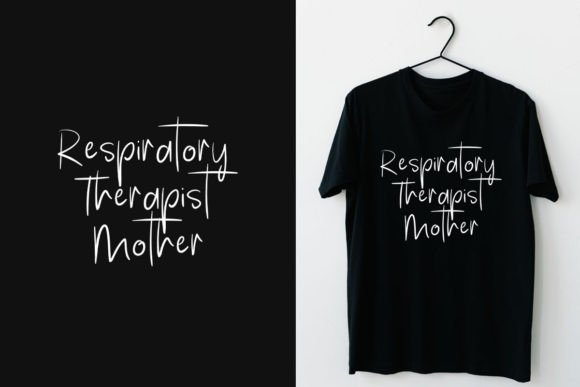
Consider both personal and commercial projects. The Father of Respiratory Therapist design, as part of the Respiratory Therapist SVG PNG Bundle in the Graphics category under Crafts, arrives as a digital asset. Before you use it on finished products for sale, confirm the licensing terms. Some bundles permit commercial embroidery use on physical items, others restrict usage to personal projects only. Do not assume. Check the terms, keep a record of your license, and if the product description does not clarify, reach out to the seller before listing anything in your shop.
If you are creating printable mockups or digital product previews for your listings, the design's clean lines and balanced composition will photograph well and look sharp in flat lays. That is a practical advantage when you are building product listings and need design assets that hold up under close inspection from potential buyers.
Final Thoughts Before You Stitch
I have reviewed hundreds of embroidery designs over the years, and the ones that stick with me are not always the most technically complex. They are the designs that understand their audience and their purpose. The Father of Respiratory Therapist piece falls into that category. It knows exactly who it is for and what story it wants to tell, and it does not overcomplicate the message.
For apparel decorators and creative entrepreneurs building a product line around meaningful gift items, this design is a quiet workhorse. It will not shout from the shelf, but it will draw the right customer in, the one who has been searching for something specific, something that honors a respiratory therapist father in a way that feels both personal and polished.
Stitch it carefully. Test it thoroughly. And when you see the finished product held up in someone's hands, you will understand why a design like this earns its place in your embroidery project library.