Medical Heartbeat SVG 2: A Designer’s Review
First Impressions and Visual Personality
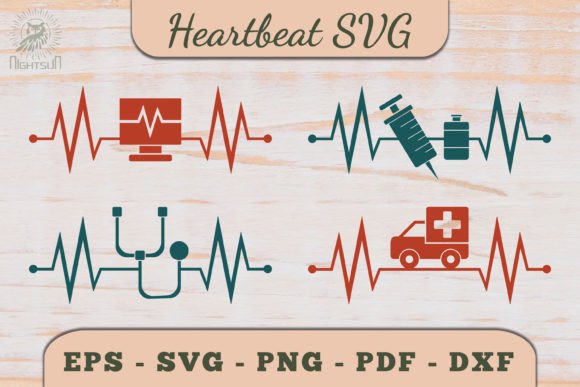
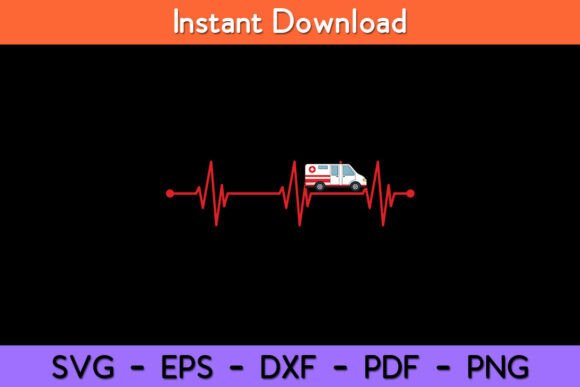
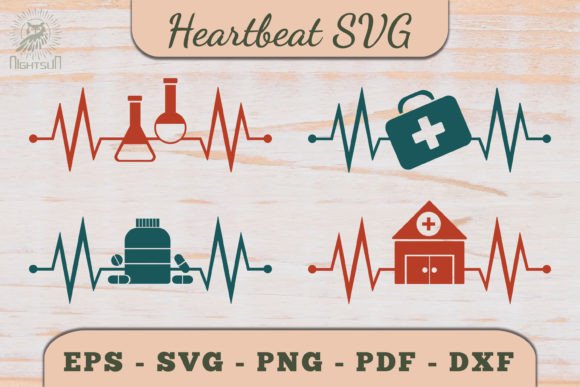
When I first opened the Medical Heartbeat SVG 2 file, the mood was immediate. It carries a clean, balanced rhythm—a heartbeat line that pulses with purpose, paired with a medical cross tucked neatly into the crest. The layout feels intentional, not slapped together. The shape flows horizontally, which gives it a natural home on chest pockets, narrow towel bands, or the front panel of a structured tote. There’s a quiet confidence in the way the line tapers and the symbol sits. It doesn’t scream for attention, but it holds it. For me, that’s a sign of a design asset that will actually get used, not just downloaded and forgotten.
The theme is unmistakably medical, but it’s not cold or clinical. The heartbeat wave softens the symbolism just enough to feel personal—like a gift for a new nurse, a scrub tech, or a proud family member. The visual personality is modern, minimalist, and slightly sentimental. I could see it as an embroidered patch on a fleece jacket, a subtle accent on a baby onesie for a NICU graduate, or a clean graphic for a medical-themed craft fair booth. The simplicity is its strength. There are no overly fine details that would muddle into a blob under thread, and that’s the kind of practical thinking I look for before I ever load a hoop.
Because the product falls under Crafts and is delivered as a Graphics bundle, it’s important to note that this is not a pre-digitized embroidery file. You get the vectors and rasters—SVG, AI, EPS, PNG, PDF, and DXF—which means you have full control over how you bring it into your embroidery software or cutting machine. That’s a plus for anyone who wants to digitize it themselves or use the SVG for appliqué cutting without tracing a thing.
Real-World Embroidery Application: The Nurse’s Tote Bag
Let me walk you through a real scenario. I had a custom order for a personalized tote bag as a graduation gift for a nurse. The client wanted something that felt professional but warm, nothing cartoonish. The tote was a medium-weight canvas in a soft oatmeal color. I immediately thought of Medical Heartbeat SVG 2. The horizontal layout sat perfectly across the front pocket, roughly 5 inches wide, right where the eye lands. I digitized the design using a combination of a medium satin stitch for the main heartbeat line and a light fill for the cross symbol, keeping the density moderate to avoid puckering on the unlined pocket.
Before stitching the final piece, I ran a test on a scrap of the same canvas with a medium-weight cutaway stabilizer. The heartbeat line read beautifully—each peak and dip held its shape. The cross, which I’d scaled to about three-quarters of an inch, maintained its definition without the arms blurring together. I used a deep navy thread on the oatmeal fabric, and the contrast was sharp but not harsh. The client’s reaction was exactly what I aim for: they saw the tote and immediately said, “That looks like it was made for her.” That’s when a design earns its place in my library.
What I appreciated most during that project was how the Medical Heartbeat SVG 2 gave me room to adapt. I could have easily switched to a soft teal thread for a NICU nurse or added a small name underneath using a delicate running stitch. The design’s clean lines didn’t compete with personalization; they framed it. That kind of flexibility is gold when you’re building a handmade product line that needs to feel cohesive but not repetitive.
How the Design Performs Across Different Products
I’ve imagined this design on more than just tote bags, and I’ve sketched out a few placements to see where it naturally belongs. On a sweatshirt, the heartbeat graphic works best on the left chest or as a small back-neck accent. The horizontal flow keeps it from looking awkward on a curved body. For a baby onesie, I’d scale it down to fit between the shoulder seams, keeping the stitch count low and using a soft poly thread against a pastel cotton interlock. The medical theme might feel serious for an infant, but paired with a gentle color and maybe a tiny “future doctor” text, it becomes a heartfelt keepsake.
On a cap, the design needs a little more thought. The curvature of a baseball cap can pinch the ends of a horizontal design. I’d recommend centering it on the front panel and keeping the width under 2.5 inches, or using it as a side embroidery motif. For aprons and kitchen towels, the design shines. It’s a clever nod for someone who meal-preps while listening to medical podcasts or for a retiree from the medical field. A simple white thread on a navy towel looks crisp and sophisticated.
When it comes to embroidered patches, the Medical Heartbeat SVG 2 is practically begging to be turned into one. The outline is smooth enough to create a clean merrowed edge or a satin-stitch border. I’d mount it on felt or twill, stitch the design, and add a heat-seal backing. A patch like that could sell well on Etsy or at a craft fair, especially if you offer a few color options—think maroon, teal, or charcoal. The design’s familiarity makes it recognizable, and recognition drives buyer engagement.
For pillow covers and nursery decor, the heartbeat line carries a gentle, rhythmic quality that feels soothing. I’ve seen similar designs used in labor and delivery units or in children’s rooms as a subtle tribute to a healthcare parent. The key is to keep the thread palette soft and the fabric texture smooth—a linen-cotton blend works beautifully.
What about digital product sellers? The included PNG file is high quality, which means you can drop it into a printable mockup, create a product listing image, or even use it for a wall art printable. It’s a legitimate multi-use asset, not just a one-trick graphic. I’ve already added a version of it to my own mockup folder for future medical-themed embroidery previews.
Where to Proceed with Caution
No design is universal, and Medical Heartbeat SVG 2 has a few friction points that a careful maker will check before committing to the final stitch. First, small hoop sizes can be a challenge. The horizontal line needs breathing room. If you try to cram it into a 4x4 hoop without reducing the width, the design may feel cramped, and the proportions will suffer. Always measure your available hoop space and test the scaled version on scrap fabric first.
Stretchy fabrics like performance tees or thin jerseys demand extra attention. The heartbeat line, if digitized with a dense satin stitch, can ripple the fabric even with a good stabilizer. I’d recommend a fusible no-show mesh stabilizer and a lower stitch density, or even a light fill stitch for the main line if you’re working with a very delicate knit. Dark fabrics can also hide the subtlety of the design if your thread color doesn’t contrast enough. A charcoal thread on a black sweatshirt might look like a faint shadow, losing the emotional impact. Test your thread color choices on the actual fabric, not just on screen.
Textured fabrics like terry cloth or heavily napped fleece can break up the smooth line of the heartbeat. The peaks might look jagged, and the cross could lose its crisp edges. I’d avoid using this design on high-pile towels unless you’re prepared to do a dense underlay or apply a water-soluble topper. For kitchen towels, stick to a flat-weave flour sack or a smooth linen.
Layered garments, such as a zip-up hoodie with a front pocket, can interfere with the placement. The design might need to sit above the pocket or on the back, and that shifts the visual balance. Always pin the area and view it from a distance before sending the hoop to the machine. And if you’re decorating a curved surface like a cap, remember that the horizontal line can appear bowed if not digitized with a slight arc compensation. It’s not a dealbreaker, but it’s a step that many beginners overlook.
Practical Embroidery Designer Notes
Here’s the part where I get into the nitty-gritty that saves time, materials, and frustration. The Medical Heartbeat SVG 2 comes as a graphics bundle. That means you receive the vector files—SVG, AI, EPS—plus a high-quality PNG, a PDF, and a DXF. All of these are ready for cutting machines, print designs, and digitizing software. But you must verify that your embroidery software can import the vector paths correctly. In my experience, the SVG imports cleanly into most mid-range digitizing programs, maintaining the node structure without unnecessary artifacts. The AI and EPS files are a nice backup if you’re working in an older software environment.
Because this is a Graphics product, not a ready-to-stitch embroidery file, you’ll need to digitize it yourself or hire a digitizer. That’s not a disadvantage—it gives you full creative control over stitch types, underlay, and sequencing. When I digitized it for the tote bag, I used a running stitch underneath the main path to stabilize the canvas, then a satin stitch with a density of about 0.4 mm for the heartbeat line. The cross I handled with a light fill and a contour underlay to keep the corners sharp. Your settings will vary based on your machine and fabric, but the principle holds: the design’s simplicity makes digitizing straightforward, not a puzzle.
Before you stitch on a finished product, always run a test sample on the same fabric and stabilizer you plan to use. Check how the design looks in black and white by printing a paper mockup at actual size. This reveals any proportional oddities that your eye might miss on a glowing screen. I also test the design on both light and dark fabric swatches, because the visual weight of the heartbeat line can shift dramatically. A design that looks airy on white can feel heavy on black, and you might need to adjust the stitch width or color contrast.
Regarding licensing, the product description doesn’t specify commercial use terms, so you’ll need to confirm with the seller whether you can create finished physical products for sale, sell digital mockups, or include the design in a commercial embroidery pattern. This is crucial for Etsy sellers, small shop owners, and anyone building a craft business. Never assume. If you’re offering a personalized gift service, make sure you’re covered. The file bundle itself is a digital product, so you’re likely permitted to use it as a design asset, but always double-check the license before listing anything that uses Medical Heartbeat SVG 2.
The Emotional and Commercial Value
In the handmade market, emotional connection is the currency. Medical Heartbeat SVG 2 taps into a deep appreciation for caregivers, medical milestones, and the human side of healthcare. I’ve seen how a well-placed embroidery design can turn a simple towel into a cherished gift, or a blank tote into a conversation starter at a hospital. Customers notice when a design feels authentic, not mass-produced. That heartbeat line represents life, care, and resilience—things that people want to honor.
For apparel decorators and creative entrepreneurs, this design offers a low-risk way to add a medical niche to your product line. You can pair it with a short phrase, a name, or a date, and suddenly you have a limited-edition item for Nurses Week, a graduation, or a retirement. The clean aesthetic means it won’t clash with your brand identity, and the horizontal format fits neatly into standard product layouts. I’ve already mentally mapped out a few variations: a set of linen tea towels with the design in sage green, a wedding gift for a doctor couple with the heartbeat on a pillow sham, and a small batch of patches for a local clinic’s volunteer team. Each one feels like a thoughtful, intentional product, not a generic craft.
Small business owners will appreciate that the Medical Heartbeat SVG 2 can be used across multiple mediums. The PNG is ready for a printable mockup, the SVG for a cutting machine vinyl decal, the DXF for a laser engraver, and the vectors for embroidery digitizing. That’s a lot of mileage from a single purchase. It’s the kind of asset that grows with your skills—you can start with a simple paper print and work your way up to a fully stitched patch. The design’s value isn’t just in its appearance, but in how many ways you can put it to work.
From a branding perspective, consistency matters. If you’re building a small shop around handmade medical-themed products, using a cohesive set of design assets builds trust. Returning customers recognize the style, and that recognition makes them more likely to buy. Medical Heartbeat SVG 2 fits into that puzzle without demanding to be the centerpiece. It’s a supporting player that elevates the whole collection.
In the end, I evaluate a design not by how it looks on the screen, but by how it behaves in the hoop, on the fabric, and in the customer’s hands. This one passes the test. It’s not complicated, but it’s deliberate. It’s not trendy, but it’s timeless. And for a designer who cares about the finished product as much as the creative process, that’s a quiet, confident win.