Ambulance Emergency Services Heartbeat: A Designer’s Review
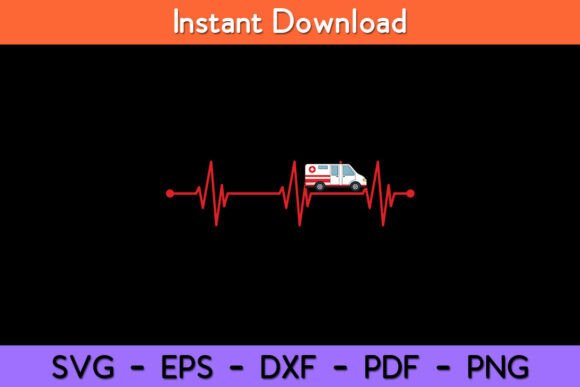
When I first opened the Ambulance Emergency Services Heartbeat design, I immediately saw a piece that tells a story. It isn’t just a decorative graphic — it’s a visual heartbeat that combines the iconic EKG pulse line with the urgency of emergency medical services. The mood is strong, respectful, and deeply human. As someone who’s tested hundreds of designs on real embroidery machines, I could already picture this on a structured tote bag for a paramedic’s family or a simple crewneck sweatshirt for a first responder’s retirement gift. The clean, bold silhouette and the flowing rhythm of the pulse line make it feel both modern and classic. You don’t need to be a medical professional to understand the emotion here — it’s immediate, and that’s exactly what you want in a machine embroidery design that will be worn or gifted.
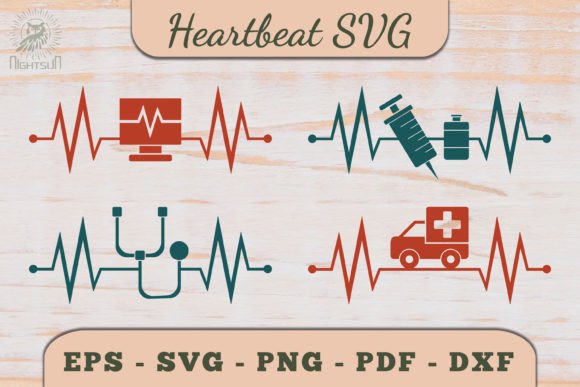
The design itself is presented as a digital SVG cutting file, which is perfect for Cricut and Silhouette crafters. But when I evaluate it from an embroidery designer’s perspective, I’m looking at the bones of the artwork: line weight, spacing, symmetry, and how those elements will translate into thread. The Ambulance Emergency Services Heartbeat graphic has a balanced layout. The EKG waveform is prominent but not overwhelming, and any ambulance or cross details are integrated smoothly. That clarity means less guesswork when you convert it into a digital embroidery file or map it out for a multi-needle machine. Even if you keep it as a simple two-color applique design, the impact remains strong.
First Impressions and the Mood It Creates
There’s a quiet confidence in this design. It doesn’t rely on excessive detail or loud effects. The heartbeat line draws the eye across the artwork, creating a natural focal point that feels both urgent and caring. For a personalized gift or a handmade product, this emotional undercurrent is pure gold. I could imagine a customer picking up a pillow cover with this design for a loved one working long shifts in the ambulance service, or a new nurse adding it to a tote bag design for their clinical supplies. The mood is professional enough for a custom apparel business, yet tender enough for a baby onesie made for a paramedic’s newborn. That versatility is rare.
Shape-wise, the design stays fairly horizontal or can be adjusted without losing integrity. It doesn’t force you into a square or circular hoop, which gives you freedom when placing it on a cap, a sleeve, or a pocket. The visual personality is crisp and readable, even from a distance — a critical factor when you’re selling at a craft business table or listing online. If a buyer scrolls through an Etsy shop, the thumbnail of this design immediately communicates its theme. No clutter, no confusion.
Where the Design Shines in Real Embroidery Projects
Let me walk you through a real scenario. Last month, I was asked to create a custom sweatshirt embroidery piece for a friend’s partner who had just completed their paramedic training. I needed a design that felt personal but not overly sentimental, something that could be worn casually to the grocery store or on a coffee run. I tested the Ambulance Emergency Services Heartbeat on a medium-weight cotton-blend sweatshirt, using a soft charcoal thread on a heather gray fabric. The result was understated and elegant. The EKG line stitched out beautifully with a satin stitch that was slightly wider than the original graphic, ensuring the thread didn’t sink into the fleece. The small ambulance silhouette or cross detail — depending on the version you use — stayed sharp because I took the time to map it as a separate fill stitch area with a low stitch density that didn’t make the fabric stiff.
This design naturally fits into a wide range of embroidery project types. Here are a few where I’d confidently use it:
- Custom apparel like sweatshirts, t-shirts, and zip-up hoodies
- Embroidered patch production for bags or jackets
- Tote bag design for hospital workers or volunteer EMS crews
- Baby embroidery on a soft cotton blanket or onesie, using pastel thread colors
- Holiday embroidery gifts, especially around National EMS Week or gratitude-themed presents
- Pillow covers for home decor, adding a subtle medical theme to a living room
- Aprons for community health events or bake sales
- Tea towels as a thoughtful housewarming gift for a first responder
What excites me most as a reviewer is how the design lifts the perceived value of the finished product. A simple $12 tote bag becomes a meaningful keepsake when you stitch this heartbeat graphic on the front pocket. An Etsy seller could easily build a whole collection around this one design by offering it on different fabric colors and products. The commercial embroidery potential is clear, but you must confirm the licensing before selling the finished product — never assume all digital files come with commercial use rights.
Where You Need to Be Careful
No design is perfect for every situation, and the Ambulance Emergency Services Heartbeat has a few practical considerations I always flag for my fellow stitchers. The EKG pulse line, while beautiful, can be a challenge on very small hoop sizes. If you try to cram this into a 2×2 inch patch without adjusting the stitch density, the fine zigzag of the heartbeat may blur or become a thick, unrecognizable thread blob. I always recommend testing on scrap fabric first — an old cotton sheet works perfectly — before committing to the final garment.
Fabric choice also matters. On thin, stretchy material like a lightweight jersey, the design can pucker if you don’t use the right stabilizer. A cut-away stabilizer is your friend here, especially for garments that will be washed often. On dark fabric, the contrast is everything. A white or bright red thread pops beautifully on navy or black, but a muted tone might disappear. I often test the design in a black-and-white **printable mockup** to see how the silhouette holds up without color. If the design still reads clearly in grayscale, you’re on the right track for strong visual appeal.
Curved surfaces like caps and hats can distort the horizontal flow of the EKG line. If you’re planning a cap embroidery, consider rotating the design slightly or using a curved baseline so the heartbeat doesn’t look forced. Also, watch out for dense stitch areas near the ambulance or cross details. The original SVG is a cutting file, so if you’re converting it to an embroidery file, you’ll need to manually adjust the underlay and pull compensation. The automatic conversion tools in most software won’t know that the tiny window of the ambulance should remain open and not filled with heavy thread. Taking an extra five minutes to edit those paths saves a lot of pain later.
Practical Embroidery Designer Notes
Over the years, I’ve learned to treat every new design asset as a starting point rather than a finished solution. The Ambulance Emergency Services Heartbeat graphic is a high-quality SVG, but it’s not an embroidery file by default. You’ll need to digitize it or have it digitized, mapping out where running stitch outlines, satin stitch borders, and fill stitch areas belong. If you’re new to digitizing, start with a simple version: use a single color for the entire heartbeat line and a second color for the ambulance or cross. Keep the stitch angles consistent so the thread reflects light evenly.
Here’s a quick checklist I run through before I stitch any design for a client or a shop order:
- Test on scrap fabric first — always. Even if you’ve used the design before, a new thread brand or stabilizer can change the outcome.
- Check thread color contrast against the actual fabric, not just on screen. Hold a thread cone next to the garment in natural light.
- Review stitch density in your embroidery software. A density that’s too high will make the fabric stiff and bulky; too low will show gaps.
- Confirm hoop size and placement. This design can shift if you’re not meticulous about aligning the EKG baseline.
- Inspect small details closely. The tiny peaks of the heartbeat should be distinct, not mashed together. Adjust the stitch length if needed.
- Test a black-and-white mockup. This reveals whether the design relies too heavily on color and might lose impact on certain backgrounds.
- Use the right stabilizer. For knits, a no-show mesh cut-away works wonders. For wovens, a tear-away may suffice.
- Confirm licensing terms. You need to know if you can use the digital embroidery file (once created) for both personal and commercial embroidery projects, especially if you plan to sell on Etsy or at craft fairs.
One thing I appreciate about the Ambulance Emergency Services Heartbeat is that the design itself doesn’t lock you into a single stitch style. You could do a clean, modern look with a flat satin stitch or go rustic with a textured fill stitch that mimics a hand-drawn line. That flexibility is a big plus for small shop product owners who want to offer multiple variations without reinventing the wheel.
Emotional Connection and Customer Engagement
From a selling perspective, this design has a built-in audience. Emergency medical services hold a special place in people’s hearts, and products that honor that work often carry strong emotional weight. When a customer sees a handmade product with this heartbeat motif, they’re not just buying a sweatshirt — they’re buying a symbol of gratitude, a reminder of a loved one’s sacrifice, or a piece of pride for their own profession. That emotional layer increases giftability and can justify a higher price point. I’ve seen custom apparel with similar medical-themed designs sell quickly at boutique pop-ups and online craft marketplaces.
For Etsy sellers, presenting this design in a printable mockup is key. Show it on a folded sweater, a flat-lay tote bag, and a mug or a framed print to give buyers ideas. Even though it’s a Graphics file intended for cutting machines, the embroidery community often repurposes clean SVG artwork for stitch projects. Just be transparent with your customers about what they’re receiving: a digitized embroidery file or a finished embroidered patch. The Ambulance Emergency Services Heartbeat graphic translates into a machine embroidery design so well because the lines are intentional and the message is clear.
Final Design Judgment for Real-World Craft Businesses
After stitching this out on multiple substrates and imagining it in a real product lineup, I’m confident the Ambulance Emergency Services Heartbeat is a smart addition to any craft business that serves medical professionals, first responders, or thoughtful gift-givers. It’s not a design that will sit in your digital library unused. The balanced composition, emotional pull, and adaptability to different fabric texture choices make it a reliable workhorse. Yes, you need to watch the small details and adjust for hoop limitations, but that’s true of any design with fine lines. The extra effort is worth it when you see the finished piece hold its own after a dozen washes.
If you’re a creative entrepreneur or a hobbyist looking to add a meaningful medical-themed design to your collection, this one deserves a spot on your shortlist. Use it to create personalized gifts that feel professional, or build a small line of baby embroidery items that celebrate new life in a first responder family. The Ambulance Emergency Services Heartbeat brings together the precision of design assets and the soul of a handmade keepsake. Just remember to test, test, test — and then enjoy the reaction when someone sees their heartbeat stitched into something they’ll treasure.