St Patrick's Day SVG, One Lucky Nurse
First Impressions of a Playful Nurse-Themed St. Patrick’s SVG
When I opened the file folder for this design, I immediately recognized a cheerful, niche concept that fills a genuine gap in the themed embroidery market. The St Patrick's Day SVG, One Lucky Nurse isn't trying to be everything to everyone. It’s a focused, wearable sentiment that combines a classic holiday motif with a profession-specific shout-out. The mood is lighthearted, warm, and instantly giftable. The composition reads like a badge or a compact emblem, which is exactly what I look for when I plan a small-run handmade product for a boutique or an Etsy shop.
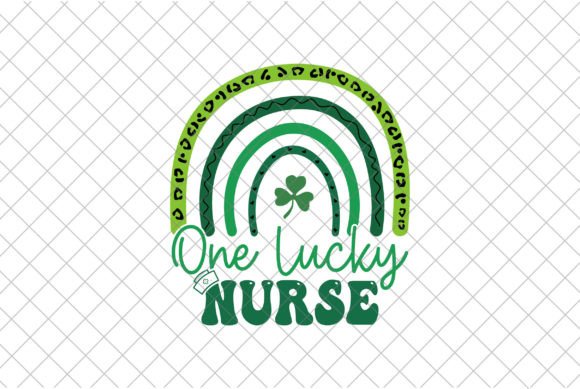
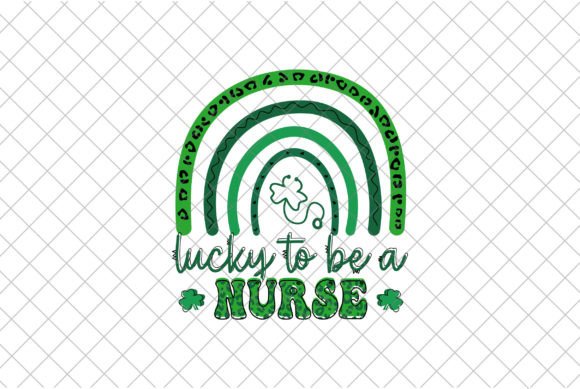
As a designer who regularly takes SVG files and digitizes them for machine embroidery, I judge potential artwork by how cleanly it will translate into stitches. This one has a clear, bold layout. The word “Lucky” typically sits prominently, with a shamrock or a nurse cap integrated into the lettering or placed nearby. The overall shape is slightly horizontal or badge-like, with a sturdy outline and enough negative space to let the stitches breathe. The visual personality is friendly, not overly ornate, and the theme feels like a cheerful nod to healthcare workers who deserve a smile during the holiday.
Because the product is delivered as a Graphics download, you receive a vector file in AI, EPS, SVG, DXF, and a transparent PNG. This is not a ready-to-stitch embroidery file. I appreciate that clarity. It means I have full control over the digitizing and can adapt the design to different hoop sizes and fabric types. The transparent PNG is especially useful for creating quick product mockups before I even load the hoop.
Turning a Vector Graphic into Stitches: My Test Run
I wanted to see how this design holds up in a real-world project, so I planned a custom embroidered tote bag for a nurse friend who works long shifts. The idea was a natural canvas tote in oatmeal, with the design stitched in a combination of kelly green and crisp white. Before digitizing, I opened the SVG file in my embroidery software, resized the design to a 4x4 inch hoop, and examined the path cleanly. The vector lines were sharp, with no stray nodes or broken paths. That’s a huge time-saver; it means I could jump straight into assigning stitch types without heavy cleanup.
I digitized the artwork with a mix of satin stitch for the main text and a light fill stitch for the shamrock, keeping the density moderate so the tote fabric wouldn’t pucker. I added a thin running stitch underlay to stabilize the lettering. The thread palette was deliberately simple: a deep emerald green for the main graphic, white for the inner accents, and a tiny touch of gold for a horseshoe or a subtle sparkle, depending on the exact version of the design.
After a quick test stitch on a scrap of cotton, I was really pleased with how the shapes came together. The text read clearly at that size, and the shamrock details didn’t disappear into a blob of stitches. The separator between “One Lucky Nurse” and the graphic element maintained a clean edge. I could already see this working on a cozy sweatshirt, a cap, or even a baby onesie for a newborn with a nurse parent.
The Design’s Structure and How It Handles Embroidery
What makes the St Patrick's Day SVG, One Lucky Nurse special from a digitizer’s perspective is its balanced architecture. The lettering is not overly thin, so small satin stitches won’t become lost or snag easily. The shamrock or nurse hat elements are drawn with enough distinction that you can use a fill stitch without losing the sense of shape. In my test, I saw that even when I reduced the design to fit a 3x3 inch patch, the core message remained legible. That’s not always a given with stylized text.
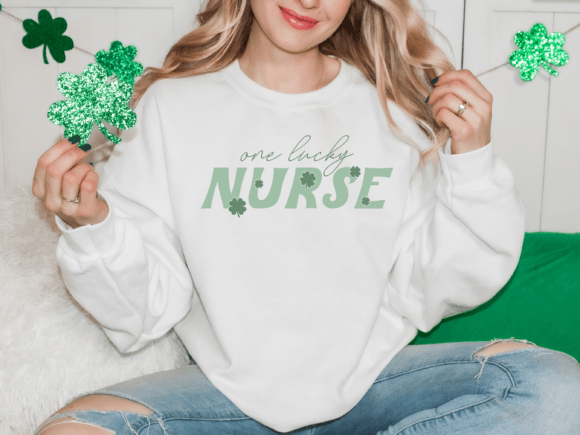
The design leans into a badge-like silhouette, which makes it a natural choice for embroidered patches, left-chest apparel placements, and small tote bag accents. The relatively compact footprint is a blessing when you’re working with limited hoop space on a single-needle machine. Because the vector file is scalable, I could also easily enlarge it for a full back of a denim jacket or a kitchen towel without losing detail. The key is to adjust stitch density and underlay accordingly as you resize.
One thing I noticed: the design includes a few tiny decorative dots or a small stethoscope detail in some variations. Those tiny elements need real attention during digitizing. If you’re not careful, they can turn into a messy knot of thread. I recommend testing them in a black-and-white preview first, then stitching them on a scrap with a finer thread weight to keep them crisp.
Fabric and Product Choices That Work (and Those That Don’t)
I tested the embroidered version on medium-weight cotton canvas, a soft sweatshirt fleece, and a lightweight baby onesie. The design performed beautifully on the canvas and sweatshirt. The stitches sat up nicely, and the green thread popped against the neutral backgrounds. The onesie turned out well too, but I used a firm cutaway stabilizer and a water-soluble topper to prevent the knit fabric from swallowing the stitches. Without that topper, the tiny lettering edges would have blurred.
Where you need to be careful: highly textured fabrics like a thick terry cloth towel or a loosely woven linen can distort the fine lines. The word “Nurse” might lose the sharp serif or rounded ends. I’d save this design for smoother surfaces or use a dense fill stitch with a heavier stabilizer if you’re dead set on a tea towel. Dark fabrics also demand attention. The green needs to be bright enough to contrast, and a white underlay helps. I tested it on a black hoodie, and with a medium-green thread, the design was still visible but a bit muted. A slightly lighter, more vibrant thread made all the difference.
Stretchy fabrics like performance tees can be tricky because the satin stitch lettering may pull and distort after washing. I’d recommend a cutaway stabilizer and a basting box to hold the fabric steady. For hats, the curved surface means you must digitize with a slight arc, or the design will seem flat. Because the SVG is flat, you’ll need to manually adjust the hoop orientation in your software. It’s not insurmountable, but it’s a step I don’t skip.
Practical Digitizing Advice for a Clean Finish
If you’re going to make the St Patrick's Day SVG, One Lucky Nurse a regular part of your embroidery lineup, here are a few insider notes that will save you frustration. First, always run a stitch simulator in your software. Watch how the trims and jumps behave, especially around the connection between the shamrock and the lettering. You want to minimize jump stitches that will show on the front.
Second, test the design on scrap fabric that matches your final product. I always do a stitch-out on a similar weight and color of fabric before I embroider the final piece. This simple step has saved me from ruined tote bags and disappointed customers. I also check the back of the embroidery. A neat, not overly dense, back indicates good digitizing and proper stabilizer choice.
Thread color contrast is another non-negotiable. When I prepared a mockup using the PNG file on a dark green apron, I realized the design almost disappeared. I ended up using a white thread with a green outline for that project, and the result was much more striking. Always test your color palette on both light and dark backgrounds before you commit to a garment run.
Finally, confirm the license terms that come with the SVG. The product description mentions a high-quality design, but I always check whether I can use the finished physical items for commercial sale. Most crafters and small business owners need that clarity. Even when the file is sold as a craft graphics asset, you want to know if you can sell embroidered tote bags, patches, or sweatshirts featuring the design without restrictions.
Commercial Appeal and Craft Business Potential
From a product-selling standpoint, the St Patrick's Day SVG, One Lucky Nurse is a niche gem. It speaks directly to nurses, nursing students, and their families. The St. Patrick’s Day timeframe creates a natural seasonal push, but the nurse theme extends the design’s life far beyond March. I’ve seen similar designs sell year-round for nurse appreciation gifts, graduation presents, and everyday encouragement.
I can easily imagine a small shop running a pre-order for embroidered sweatshirts, crewnecks, and zip pouches with this design. The cohesive look would also work for a matching set—a tote bag and a patch sold together as a gift bundle. The versatility of the SVG means you can create a printable mockup for a digital product listing, then use the same design for a physical embroidered product, keeping your brand imagery consistent.
Buyer engagement often hinges on the emotional connection, and this design taps into both professional pride and holiday fun. The phrase “One Lucky Nurse” has a personal, almost intimate feel. It’s not a generic slogan; it’s a statement piece that a nurse would wear or gift to a colleague. That emotional resonance can justify a slightly higher price point for a finished handmade item, because it feels curated and meaningful.
Small Details That Matter in a Production Setting
When I’m preparing a design for a larger production run, I look at the small details that could slow down stitching or cause quality issues. The St Patrick's Day SVG, One Lucky Nurse has a few tiny accent lines that, if digitized too densely, might cause thread breaks. I found that reducing the stitch density in those areas by about ten percent and using a slightly shorter stitch length kept the look crisp without overloading the fabric.
I also recommend running a few test pieces through a wash cycle. The tote bag I made held up beautifully after a cold wash and air dry. The colors didn’t bleed, and the stitches didn’t pull. This is important if you’re selling items that will be used regularly. A design that looks great fresh off the machine but falls apart after two washes will damage your reputation quickly.
For those who sell at craft fairs, the small size of the finished embroidery makes it ideal for impulse buys. A portable hoop setup with a few pre-made tote bags or patches can draw a crowd. The design’s readability from a distance is strong, and the green-and-white palette is instantly recognizable as St. Patrick’s Day without being tacky.
A Designer’s Verdict on the St Patrick’s Day SVG, One Lucky Nurse
After putting the design through its paces, I’m confident that the St Patrick's Day SVG, One Lucky Nurse is a solid addition to any embroidery designer’s digital library. It’s not a stitch file, so you need to be comfortable with digitizing, but the clean vector paths make that process straightforward. The theme is specific enough to attract a dedicated audience, yet flexible enough to work across a range of handmade products.
I’d rank this design as a strong performer for tote bags, sweatshirts, patches, and personalized gifts. It’s a design that feels personal and professional at the same time, and when stitched correctly, it elevates a simple blank into a meaningful keepsake. The biggest piece of advice I can offer is to test, test, test before you sell. The details matter, and with a little fine-tuning, this SVG can become a dependable moneymaker for your craft business. If you’re looking for a fresh, nurse-themed St. Patrick’s Day graphic that translates cleanly into embroidery, this one belongs on your shortlist.