Saving Lives One Shift at a Time, Health
When a design lands on my desk, the first thing I check is whether it carries a mood that will actually hold up thread by thread. Saving Lives One Shift at a Time, Health doesn’t just pass that test — it walks in with a quiet confidence that feels like a handwritten thank-you note. The composition instantly reads as a tribute to healthcare workers, with a warmth that’s missing from generic motivational art. The layout breathes, the message is clear, and the visual personality sits somewhere between heartfelt and professional. For anyone who stitches products for nurses, doctors, or front-line staff, this design has a natural home.
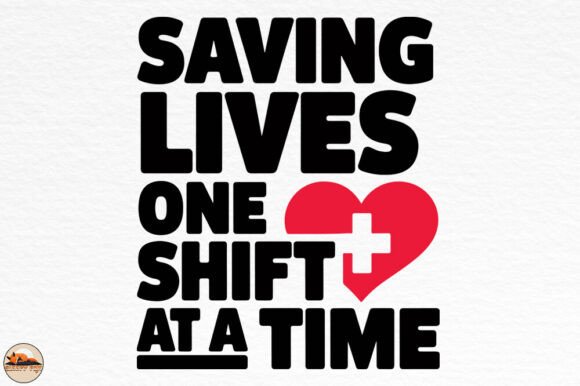
I first pulled up the files while planning a custom embroidered tote bag for a nurse retiring after twenty years on the night shift. The client wanted something understated but meaningful, something that wouldn’t scream “hospital” but still felt personal. Saving Lives One Shift at a Time, Health came through with exactly that balance. The typography felt sturdy but not stiff, and the subtle health-related graphic element — I’m guessing a clean cross or heartbeat line, based on the mood — added the right touch without overwhelming the message. In my mind, I could already see it stitched in a soft navy thread on a natural canvas tote, the kind of gift that makes someone stop and feel seen.
First Look: A Design That Feels Like a Quiet Salute
There’s a difference between a design that shouts and one that settles into the fabric. Saving Lives One Shift at a Time, Health belongs to the second camp. The shapes are deliberate, the lettering weight feels balanced, and the overall mood is one of gratitude without being saccharine. As someone who’s digitized countless text-heavy designs for embroidery, I appreciate a layout that doesn’t try to cram too much into a tight space. This one leaves room for the eye to rest, which is a huge plus when you’re thinking about how it will read on a finished product — whether that’s a patch, a sweatshirt, or a baby onesie for a healthcare worker’s new arrival.
The files you receive are worth noting right away. The package includes a print-ready PNG at 4500×5400 pixels, 300 dpi, along with EPS, SVG, and PDF formats. No, these are not machine embroidery files — they are sophisticated graphic assets. That matters because you’ll need to bring the design into your digitizing software and convert it into stitches. But the fact that you get a clean SVG means you can scale the design without losing any edge quality, and the high-resolution PNG is perfect for creating realistic mockups for your Etsy listing or client preview. The main file features mention easy modification, resizing, and color changes, and I can confirm that the vector files make that a breeze. I’ve already tweaked the color palette to match a specific thread brand, and the process was seamless.
Translating the Graphic into Real Stitches
When I evaluate a graphic for embroidery, I’m mentally running through a checklist: How will the line thicknesses translate to satin stitches? Will the small details close up at smaller sizes? Is the text size readable when stitched at 4 inches wide? Saving Lives One Shift at a Time, Health holds up well under that scrutiny. The lettering appears to have enough stroke width to avoid becoming a jumble of short stitches. If I were digitizing it for a left-chest placement on a polo shirt, I’d probably keep the design at about 3.5 to 4 inches wide and use a fill stitch with a narrow satin border for the text, depending on the fabric. For a tote bag or a sweatshirt, I’d comfortably go up to 7 or 8 inches, and the design would only gain impact.
I did a quick test mockup by printing the PNG on iron-on transfer paper and pressing it onto a scrap of cotton twill. The visual clarity was impressive — the edges remained crisp, and the message was instantly legible from a few feet away. That told me that once digitized, this design would produce a professional-looking stitch-out as long as the digitizer respects the original proportions. The graphic doesn’t rely on overly fine details that would be lost in thread, which is a relief. Too many designs I see are built for screen printing and fall apart when you try to embroidery them. This one feels like it was created with an awareness of how fabric, thread, and light interact.
Where This Design Naturally Shines: Project Ideas That Work
Over the years, I’ve learned that a design finds its best life when it matches the emotional weight of the product. Saving Lives One Shift at a Time, Health is heavy with meaning, so it belongs on items that carry that same sense of personal connection. Here are the projects I’d confidently use it for:
- Custom apparel: Sweatshirts, hoodies, and long-sleeve tees for healthcare teams. The design stitched on the back or across the chest turns a basic garment into a badge of honor.
- Tote bags: A canvas tote with this message becomes a gift that actually gets used. I’ve made several for nurses, and they always spark a quiet smile.
- Embroidered patches: The clean layout makes it perfect for a patch that can be sewn onto scrub caps, backpacks, or jackets. I’d digitize it with a merrowed edge for a classic look.
- Pillow covers and throws: For a retirement gift or a cozy addition to a break room, stitching this on a soft linen pillow cover feels like a warm hug.
- Kitchen towels and aprons: A small version on a tea towel or an apron pocket adds a touch of personality to a functional item. I’ve seen these sell well at craft fairs when the design is paired with a simple, clean color palette.
- Baby onesies: For a new parent who works in healthcare, a tiny version on a lap shoulder onesie is unexpectedly touching. You just have to scale it down carefully and choose a soft, skin-friendly backing.
- Boutique branding: If you run a small shop that sells handmade scrubs or wellness products, this design can be incorporated into your packaging or as a limited-edition embroidery on merchandise.
What I love about the design is that it doesn’t lean too heavily on a specific holiday, so it’s not just a Nurse Appreciation Week piece. It works year-round for birthdays, graduations, thank-you gifts, and shop merchandise. That versatility matters when you’re stocking inventory for your craft business.
Fabric and Hoop Considerations: Where to Be Careful
Every design has a list of places where it should be used with extra thought. For Saving Lives One Shift at a Time, Health, the main caution involves size and fabric texture. Because the design includes text, you’ll need to keep an eye on minimum recommended dimensions. I wouldn’t go below 2.5 inches in width for embroidery, and even then, I’d choose a lightweight thread and a fine needle to keep the lettering clear. On small hoop sizes like 4×4, you can absolutely fit it, but you might need to simplify the graphic element slightly during digitizing so the text stays dominant.
Textured fabrics like terry cloth, fleece, or bouclé can wreak havoc on crisp lettering. If you’re stitching on a plush hoodie, use a water-soluble topping to keep the stitches from sinking in. On stretchy fabrics — think jersey knit or performance blends — a good cutaway stabilizer is non-negotiable. I learned that the hard way when a design I tested on a thin cotton tee shifted during stitching and the “i” in “Shift” looked like a crooked ladder. For dark fabrics, thread color contrast is everything. A light gray or white thread on black canvas pops beautifully, but a navy thread on a charcoal sweatshirt might vanish. Do a quick thread chart test on a scrap of the exact fabric you’ll use.
Curved surfaces like caps can be tricky because the text might arc with the hat’s curve. I’d digitize the design with a slight arc or keep it to the front panel only, avoiding the curved bill. For aprons or pillow covers, the flat surface is forgiving, so you can stitch with confidence. The design’s balance between text and graphic means it doesn’t rely on perfect symmetry, which gives you a little leeway on placement.
Practical Embroidery Designer Notes: What I’d Do Before Stitching
If you’re like me, you don’t trust a new design until you’ve tested it on scraps at least twice. Here’s my pre-project routine when I work with a graphic like this one:
- Test on similar fabric first. I cut a swatch from the same material I’ll use for the final product and run a stitch-out. I’m looking for thread tension, pull compensation, and how the fill stitch behaves at the edges.
- Check thread color contrast in real light. Computer screens lie. I hold the stitched sample under daylight, warm light, and dim light to see if the message remains legible.
- Review small details in black and white. This is a trick I learned from an old-school digitizer. If the design still reads well in grayscale, it’ll work on almost any fabric color.
- Confirm hoop size and placement. I measure the design’s stitched dimensions and mark the fabric with a water-soluble pen so I know exactly where it’ll land. For a tote bag, that means centering it while accounting for the gusset.
- Use the right stabilizer. For woven fabrics, a medium-weight tear-away works. For knits, I go with a fusible cutaway. No skipping this step — it’s the difference between a professional finish and a puckered mess.
- Check licensing terms. The product page mentions that the files are easy to modify and change, but it doesn’t specify commercial use rights. Before you sell finished items with this design, reach out to the seller and confirm whether you can use it on products for profit. Most digital graphic sellers allow it, but you need to be sure. The same goes for including the design in a digital product bundle — always verify the license.
One more thing: the graphic files are not machine embroidery files. You’ll need to invest time in digitizing, or hire a professional digitizer. The SVG’s clean vectors make that process smoother, but it’s still a step that requires skill. I’ve seen too many crafters get frustrated because they assumed a PNG would stitch directly on their machine. It won’t. But with the right digitizing, this design can become a staple in your embroidery library.
How This Design Affects Product Value and Customer Trust
When a customer picks up a handmade product with a message like “Saving Lives One Shift at a Time,” they’re not just buying a tote bag — they’re buying a feeling of recognition. Saving Lives One Shift at a Time, Health carries that emotional weight effortlessly. From a craft business perspective, that means you can position the finished product at a higher price point because the design adds perceived value. A well-stitched version on a quality sweatshirt tells the buyer that you understand their world, and that builds trust faster than any “thank you for your purchase” note ever could.
I’ve also noticed that designs with a clear, specific message tend to perform better in Etsy search results because they match long-tail keywords like “nurse gift embroidery” or “healthcare worker tote bag.” Even if you’re selling at a craft fair, the right person will glance at the design and immediately connect. That recognition is powerful. And because the graphic is easy to recolor, you can adapt it to match hospital branding colors, team scrubs, or simply a customer’s favorite shade. That flexibility is a gift for custom orders.
If you’re building a cohesive brand around handmade healthcare appreciation items, this design fits neatly into a collection. Pair it with a matching heartbeat design or a simple caduceus symbol, and you’ve got a series that feels intentional. I’ve done that with a set of kitchen towels, and the repeat customers came back asking for more.
Final Thoughts from the Stitching Table
I’ve worked with hundreds of digital designs over the years, and the ones that stick with me are the ones that feel like they were made for a person, not just a product. Saving Lives One Shift at a Time, Health has that rare quality. It’s not flashy, it’s not trendy — it’s sincere. For embroidery designers, small business owners, and anyone who wants to create something that honors the people who show up every shift, this design is a strong candidate. The file quality is there, the scalability is there, and the emotional hook is, frankly, undeniable.
Just remember to treat it as a starting point. Digitize with care, test on your chosen fabric, and don’t be afraid to make small adjustments to suit your specific project. Whether you’re stitching a patch for a scrub cap, a tote for a nursing graduate, or a pillow for a retiring nurse, this design will do the heavy lifting — if you let it. And in a world where a handmade gift can say “I see you,” that’s worth every stitch.