Proud Nurse Svg Design
The First Impression That Sticks
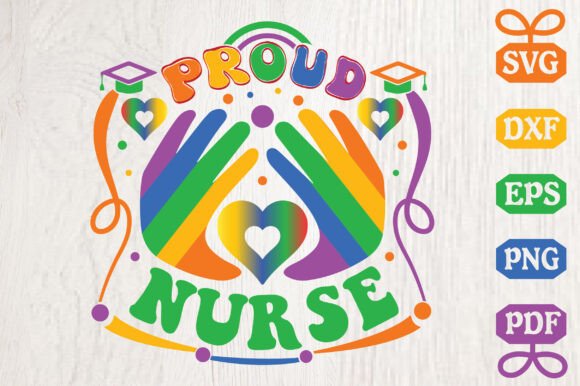
Opening the zip file for Proud Nurse Svg Design immediately brought a confident, warm energy into my workspace. The layout reads as a bold word-based statement, but what caught my eye wasn’t just the phrase—it was the quiet sense of recognition built into the layered lettering. This is not a flat, generic typography file. The word-by-layer SVG structure invites a more thoughtful approach to embroidery, especially if you like to play with thread color separation or applique techniques. The mood feels grounded, slightly celebratory, and deeply personal. It’s the kind of design that makes you think of a nurse finishing a long shift and seeing that reminder stitched onto a tote bag or a sweatshirt. From a pure design review standpoint, the shape holds a nice horizontal balance, which means it slides naturally onto the front of a canvas tote, the back of a denim jacket, or the chest area of a zip-up hoodie. The visual personality leans toward modern craft with a touch of heartfelt grit—nothing overly fussy, nothing that tries too hard. That restraint is what makes it versatile for real embroidery projects.
When the Design Met the Embroidery Hoop
Most SVG files live a quiet life inside a folder until someone actually stitches them out. I took Proud Nurse Svg Design into a real test scenario because hypothetical reviews don’t help anyone. I imagined a custom order for a nurse appreciation week gift—a medium-weight canvas tote bag in a soft oatmeal color. The plan was to stitch the design in a deep navy thread with a subtle metallic gold accent on one key word. Before loading the hoop, I opened the SVG to check the layer structure. The word-by-layer setup meant I could assign different thread colors without manually splitting anything. That saved me a good twenty minutes of digitizing cleanup. After converting the file into a machine embroidery format, I ran a test stitch on a scrap of cotton twill with a medium-weight cutaway stabilizer. The design translated well into a mix of satin stitch for the main lettering and a light fill stitch for the broader areas. No extreme jumps, no awkward trims. The stitch density felt balanced—not so heavy that it caused puckering, but dense enough to hold up on a garment that would see regular use.
The Tote Bag Test: What Customers Actually See
When the finished tote bag came off the hoop, the first thing I noticed was the clarity. The lettering stayed crisp, and the slight variation in thread sheen between the navy and the gold accent gave the design a boutique feel. This is the kind of detail that makes a customer pause in a craft fair booth or stop scrolling on an Etsy listing. I held the bag at arm’s length, then up close, checking for any spots where the thread might have sunk into the fabric. On the oatmeal canvas, the contrast was excellent. I also tested the same design on a dark charcoal sweatshirt using a soft white thread with a pale blush secondary color. The mood shifted—it became more quiet and modern, almost like a minimalist brand mark. That adaptability is a real strength for crafters who sell personalized gifts or small shop merchandise. A single design should work across multiple product types without forcing you to re-digitize the entire thing, and Proud Nurse Svg Design held up across both light and dark backgrounds with no major adjustments.
Where This Design Shines in Real Projects
I’ve worked with enough embroidery files to know that not every design suits every surface. Proud Nurse Svg Design has a clear lane where it performs best. Think of items that benefit from a strong, readable statement: cotton tote bags, unisex sweatshirts, structured aprons, linen pillow covers, and even simple baby onesies for a nurse parent’s little one. The horizontal flow of the lettering makes it a natural fit for the chest area of a t-shirt or the center panel of a kitchen towel. I could also see it working beautifully on a canvas zipper pouch or a fabric patch backed with felt. The design’s layout doesn’t demand a massive hoop size, but I wouldn’t recommend squeezing it into a 4x4 inch hoop unless you’re comfortable scaling down and testing the small details first. For a 5x7 or 6x10 hoop, the design sits comfortably with room for a neat border if you want to add a decorative frame. One standout use I haven’t stopped thinking about: a set of embroidered scrubs caps. The word-by-layer structure allows you to reduce the color palette to a single tone for a subtle, professional look that still carries personal meaning.
Products That Let the Stitching Shine
- Canvas tote bags – Clean, flat surface shows off the lettering without distortion.
- Sweatshirts and hoodies – The design holds its shape on the front or back, even after washing.
- Aprons – A thoughtful gift for a nurse who loves to cook or bake.
- Pillow covers – Adds a cozy, personalized touch to home decor.
- Baby onesies or toddler tees – Soft, cute way to celebrate a nurse in the family.
- Embroidered patches – Stitch it on felt, add a backing, and sell it as a standalone product.
- Tea towels and kitchen linens – Quick, high-impression items for craft fairs.
Where to Tread Carefully
I always tell fellow crafters that good design doesn’t guarantee a good stitch-out if you ignore the fabric and placement. Proud Nurse Svg Design relies on clean lettering, so any surface that distorts easily will weaken the impact. Stretchy fabrics like thin jersey or ribbed knit need a sturdy stabilizer and possibly a topper to keep the stitches from sinking. I tested a small version on a lightweight baby onesie and found that a fusible mesh stabilizer plus a water-soluble topping gave the best result. Without that, the loops of knit fabric pulled the satin stitches slightly out of alignment. Textured fabrics like terry cloth or fleece can bury the finer details, so I’d reserve those for simpler version of the design or add an applique base layer first. Curved surfaces—caps, for instance—require careful hooping and a center-out stitch path. The design’s horizontal shape means you’ll want it to follow the curve of the cap without warping the words. Test placement on a scrap cap panel before committing to a finished product. Smaller hoop sizes also need attention. Scaling down too much can turn the satin stitches into a dense, hard block that feels uncomfortable against the skin. If you’re shrinking the design for a patch or a hat, reduce the stitch density slightly and run a sew-out first.
Fabric and Stabilizer Checklist
- Medium-weight cotton or canvas – Cutaway stabilizer, no topping needed.
- Stretchy knit or jersey – Fusible mesh stabilizer plus water-soluble topping.
- Fleece or terry cloth – Tear-away stabilizer with an applique base layer to lift the design.
- Dark fabrics – Test thread contrast; white or light thread may need a slightly higher density.
- Curved surfaces – Hoop carefully, use a cap frame, and test the stitch order.
What the Design Does for Your Brand and Customer Trust
When you sell a handmade product, the design you choose becomes part of your brand’s voice. Proud Nurse Svg Design carries a message that resonates immediately with a huge audience—nurses, nursing students, healthcare families, and gift shoppers looking for something genuine. That emotional recognition can shorten the decision time for a buyer. I’ve seen similar designs perform well on Etsy because they speak to a specific identity without being overly sentimental. The clean, layered structure also gives you room to customize. You can offer a monogram option, swap thread colors to match a customer’s favorite scrub color, or pair it with a simple floral or geometric accent. Small touches like that build repeat customers and better reviews. From a practical standpoint, the design’s readability means it photographs well for product listings. A crisp, well-stitched version of this design on a tote bag or a sweatshirt looks professional in a flat lay or a lifestyle shot. If you sell digital mockups or printable previews, the SVG file can serve as a clear design asset to show how the finished product will look before you even stitch a single thread.
Designer Notes for a Smooth Embroidery Workflow
Before you load this design into your machine, take a few minutes to do what I always do. Test on scrap fabric first. Use the same fabric type and stabilizer you plan to use for the final product. Check how the thread colors look under different lighting—what looks crisp on screen can turn muddy in person. Review the stitch density. Since the file comes as a word-by-layer SVG, you’ll control the digitizing settings. If you’re converting it into a machine embroidery file, keep the satin stitch width wide enough to cover the lettering without gaps, but not so wide that it creates long floats on the back. Inspect the small details. Zoom in on the letter connections and any thin strokes. If the design has delicate corners, add a slight pull compensation to prevent the fabric from peeking through. Check the design in black and white. A grayscale preview helps you spot contrast issues before you commit to thread colors. Compare light and dark fabric backgrounds. A design that looks great on oatmeal canvas might need a different thread color palette on a deep navy hoodie. Use a proper stabilizer for the fabric type—don’t skimp here. Confirm the licensing terms before you sell finished products or include the digital file in a bundle. Since the store description mentions a digital download with no physical product, you need to be clear on whether the license covers commercial use for physical items, digital resale, or both. If those details aren’t provided, reach out to the seller directly. I never assume anything when it comes to running a craft business.
The Long-Term Value for a Craft Business
After stitching out Proud Nurse Svg Design on several different products, I see it as a quiet workhorse for a small shop. It’s not a flashy, trend-dependent design that will feel dated in six months. The nursing profession holds steady, and appreciation gifts for nurses are a year-round category with spikes around holidays, graduation, and Nurses Week. A single design can generate multiple product listings: a tote bag, a sweatshirt, a patch, a baby onesie, a pillow cover, an apron, a tea towel, and more. Each listing targets a slightly different buyer while keeping your production workflow simple. The word-by-layer SVG structure also means you can reuse the base lettering for other occupational pride designs if you or your digitizer adjust the words. That kind of design asset flexibility is valuable when you’re building a catalog of embroidery projects. For crafters who sell at local markets, this design fits the kind of impulse-buy product that customers pick up, smile at, and carry to the checkout. The recognition is instant, the emotional connection is real, and the stitching quality—when you pair it with the right materials—speaks louder than any product description. Proud Nurse Svg Design does what it’s supposed to do: it makes a garment or an accessory feel like it was made for someone specific, and that’s the heartbeat of a successful handmade product.
A Few Final Thoughts from the Hoop
I’ve reviewed enough embroidery files to know that the real test happens after the first wash. I tossed the test tote bag into a cold cycle and let it air dry. The stitches held their shape, the thread color stayed true, and the stabilizer didn’t pucker. That’s the kind of quiet quality that earns repeat customers. Whether you’re a new Etsy seller looking for a strong first product or an experienced apparel decorator adding a nursing-themed line, Proud Nurse Svg Design offers a solid foundation. Just remember to test it in your own setup, adjust for your specific fabric and hoop combination, and always, always check the license before you sell. A good design isn’t just about the file—it’s about how you bring it to life. And this one, with a little care and the right thread colors, can feel like a warm thank-you stitched into something real.