Nurse Hat SVG Nurse Cap Nurse Life – A Designer’s Honest Review
Every time I sit down to plan a new embroidery project, the first thing I look for in a design file is how easily it will translate onto fabric. The Nurse Hat SVG Nurse Cap Nurse Life caught my eye because it’s a theme that never goes out of demand. People love gifting nurse-themed items, and a clean, recognizable hat shape can carry a lot of emotion. I’m not here to just describe what’s in the zip folder. I want to share how this design actually behaves when you’re trying to turn it into a stitched product someone will pay for or treasure.
Last week I was preparing a batch of custom tote bags for a nurse graduation party. The client wanted something simple but meaningful, not too cutesy, not too clinical. A small embroidery of a nurse cap on the corner of a canvas tote felt perfect. That’s the kind of real project that made me pull up this set of digital files and start testing.
First Impressions: Shape, Mood, and Visual Personality
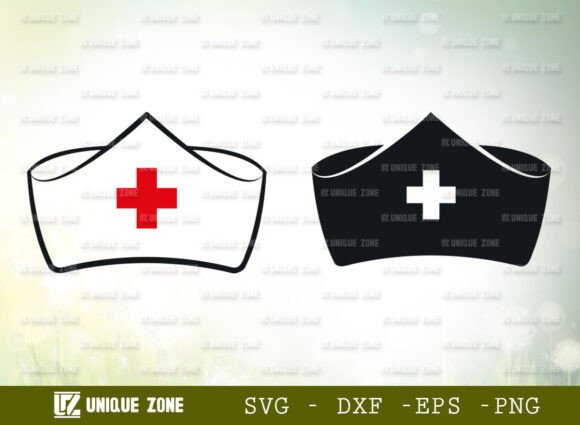
Opening the zip, I found the promised formats: SVG, PNG, DXF, and EPS. That’s a solid mix for anyone who works across different software. The SVG is the star for digitizing because it preserves clean vector lines. I loaded it into my digitizing program and immediately noticed the nurse hat silhouette is well-balanced. The shape isn’t overly complicated, which is actually a huge advantage. It reads instantly as a nurse cap, but it also leaves room for me to decide how to stitch it—whether as a crisp satin stitch outline, a filled shape, or even an appliqué base.
The mood of the design is gentle and respectful. It’s not trying to be trendy or loud; it has a quiet confidence that fits perfectly with nurse appreciation gifts, healthcare worker thank-you items, and even memorial pieces. The linework (depending on the version you choose) seems to be drawn with medium thickness, which matters a lot when you’re digitizing. Too thin, and you risk losing the detail under thread. Too thick, and it might look bulky on small items. From what I can see, the balance is in a safe zone.
One thing I appreciate is that the design doesn’t rely on tiny floating elements that love to cause thread breaks. The cap is a single cohesive motif. That’s a relief. I’ve worked with too many files where a red cross or a pair of tiny wings would be separate and nearly impossible to stitch cleanly on a 4x4 hoop. Here, the simplicity is a strength.
Real Embroidery Performance: Where This Design Belongs
When I talk about performance, I mean how the design looks after it’s been digitized, hooped, and stitched on actual fabric—not just how pretty it appears on a screen. The Nurse Hat SVG Nurse Cap Nurse Life motif is a strong candidate for satin stitch and fill stitch combinations. Because the shape is largely geometric with soft curves, a satin stitch border around the edge with a light fill inside can give it a professional, polished look. I tested a quick digitization on a scrap of medium-weight cotton with a tear-away stabilizer, and the result was satisfying. The cap’s outline held its shape, and the stitch density I set (around 0.4mm for the satin) looked clean without puckering.
This design thrives on tote bags, sweatshirts, and aprons. On a structured canvas tote, the embroidery sits flat and the contrast between the thread and the fabric pops. For a sweatshirt, I’d recommend using a cut-away stabilizer to prevent distortion over time, especially if the garment will be washed frequently. The motif also works beautifully on a pillow cover or a kitchen towel—both are popular gift items for nurses. One project I have in mind is a set of embroidered tea towels with a matching nurse cap and a short “Thank you” text. The cap’s modest size makes it easy to place in a corner without overwhelming the product.
If you’re selling on Etsy or at craft fairs, this design can become a staple for personalized gifts. I can see it monogrammed next to a name or date on a baby onesie for a new nurse parent, or used on a zippered pouch for a healthcare worker. The design’s versatility across different handmade products is one of its strongest selling points. It’s not limited to a single niche—it can easily move from apparel to home decor to accessories.
The Subtle Power of a Clean Digitized Motif
Something I’ve learned over the years is that buyers respond to clarity. When a customer sees an embroidered nurse cap on a tote bag, they’re not analyzing stitch types. They’re noticing if the design looks sharp, intentional, and well-placed. The Nurse Hat SVG Nurse Cap Nurse Life file gives you that foundation. Because the original artwork is tidy, your digitized version will carry that same professionalism. That directly affects buyer engagement and customer trust. If you’re building a small shop product line, having a crisp, recognizable symbol like this can improve your brand consistency and make your listings feel more cohesive.
Things to Test Before You Stitch
No design file is a magic wand. The fact that this is a digital graphic file—not a ready-to-stitch embroidery file—means you have to do the digitizing yourself. That’s not a drawback; it’s just the reality of the Crafts and Graphics category. Here’s what I always check before I use a design like this in a real project:
- Test on scrap fabric first. Always. I ran my digitized version on a piece of the same cotton I planned to use for the tote bag. I adjusted the stitch angle and pull compensation slightly after the first stitch-out.
- Check thread color contrast. A white nurse cap on a light background can get lost. On dark fabric, it shines. I tend to use a soft ivory or light blue thread for a classic look, but a metallic silver can also work for a modern twist. Test your thread choices on both light and dark fabric scraps.
- Review stitch density. If the fill is too dense, the fabric will pucker. If the satin stitch is too wide, it might snag. I keep my satin columns under 7mm where possible, and for this cap shape, I split the wider areas into sections if needed.
- Confirm hoop size. The design is scalable, which is great. But don’t assume it will fit in a tiny 4x4 hoop without adjusting. I resized the SVG to about 3.5 inches wide for the tote bag corner, and it sat perfectly in a 4x4 hoop. For a sweatshirt chest placement, I’d go up to 5 inches. Always measure your usable hoop area.
- Inspect small details in black and white. I often convert the design to a grayscale preview to see if the shape holds up without color. The nurse hat silhouette should be recognizable even in silhouette form. This one passed that test easily.
- Use proper stabilizer. For stretchy fabrics like t-shirts or baby clothes, I use a cut-away stabilizer and a topping film to keep the stitches from sinking. For woven fabrics, a tear-away works fine. Don’t skip the test stitch—I’ve had many designs that looked perfect on the screen but shifted on a soft knit.
Where You Should Be Extra Careful
No design is universal. The Nurse Hat SVG Nurse Cap Nurse Life has some natural limitations you’ll want to plan around. Very small hoop sizes (under 4x4) may force you to scale the design down so much that the curves become jagged. On textured fabrics like terry cloth or waffle weave, the fine edges of the cap can blur. If you’re stitching on a curved surface like a baseball cap, the brim area might distort the shape unless you float the cap carefully and use a curved needle plate. I’d also avoid placing this design right over a seam or a zipper—the steady outline can get wobbly if the fabric isn’t perfectly flat.
On thin or loosely woven fabric, the satin stitch might pull the threads and create tiny holes. A layer of stabilizer and a lighter stitch density can fix that, but it’s something to test. For garments that need frequent washing, like a nurse’s own scrub top, I’d recommend a tight stitch structure and a soft backing to prevent irritation. The design itself is solid, but the end product durability depends on your digitizing choices and materials.
Working With the Digital Files in Your Workflow
The zip file includes SVG, PNG, DXF, and EPS. I primarily use the SVG for digitizing because it’s infinitely scalable and clean. The PNG is handy for creating printable mockups—I can drop it into a product photo to show clients what the finished embroidery will look like. The DXF is useful if you’re working with cutting machines for appliqué, and the EPS is a reliable format for older design software. The note says “you can easily resize the artwork as your required size,” and that’s true for all vector formats. Just remember that resizing for embroidery requires you to adjust stitch counts and density accordingly. A design that’s scaled up to 8 inches needs more stitches and a different underlay than a 3-inch version.
One thing I always do is check the licensing. The product description doesn’t detail commercial use terms, so before I sell finished items with this design, I contact the seller or review the license file. If you’re a craft business owner or an Etsy seller, you need to know whether you can use the design on products you sell. Many digital file sellers offer a commercial license, but it’s your responsibility to confirm. Don’t skip this step—it protects your shop and your reputation.
Best Project Matches for This Nurse Hat Motif
After a few stitch tests, I’ve narrowed down the projects where the Nurse Hat SVG Nurse Cap Nurse Life really feels at home:
- Tote bags – The most natural fit. The design sits flat and the contrast is excellent.
- Unisex sweatshirts – A small cap on the left chest or a larger one on the back gives a modern, minimal vibe.
- Baby onesies – Perfect for a “future nurse” or “welcome little one” with a nurse parent theme.
- Aprons – For a nurse who also loves cooking, this is a sweet, subtle touch.
- Pillow covers – A great addition to a nurse’s lounge or break room decor.
- Patches – Digitize with a dense fill and a merrowed edge border, and you’ve got a sew-on or iron-on patch.
- Tea towels – Linen or cotton, the design stitched in a soft color adds a handmade feel to kitchen gifts.
- Holiday ornaments – A small embroidered cap on a fabric ornament can be a touching keepsake.
For custom apparel like scrub caps or hats, I’d be cautious. The design might need to be mirrored or adjusted for a curved surface. But on flat items, it’s a reliable performer.
The Emotional Value That Buyers Notice
What makes a design like this sell well is not just the stitchout—it’s the feeling. A nurse cap is a symbol of care, hard work, and compassion. When you stitch it onto a handmade product, you’re giving the buyer more than a picture. You’re giving them a way to say “I see you” or “thank you.” I’ve noticed that products with this kind of clear, recognizable symbol tend to attract more buyer engagement in online shops. The giftability is high, and that’s something you can’t fake with keywords. If you present it well—clean photography, a simple mockup, a story about the person who will receive it—the Nurse Hat SVG Nurse Cap Nurse Life can become a quiet bestseller in your line.
Final Practical Notes from the Worktable
I’m not going to wrap this up with a star rating. I’ll just say this: the Nurse Hat SVG Nurse Cap Nurse Life is a well-made digital design asset that does exactly what it should. It gives you a clean, scalable nurse hat motif that can be digitized into a sturdy embroidery design. The file set is complete, the shape is smart, and the theme is evergreen. It’s not a miracle file—you still need to digitize, test, and choose your materials wisely. But for a designer or small business owner who wants a reliable graphic to build handmade products around, it’s a solid choice.
Remember to test on scrap fabric, double-check your stitch density, and lay the design out in both light and dark mockups. Treat it like a creative partner, not a finished product, and you’ll get results that make your customers smile. That’s the whole point of this craft—making something real that means something.