In My Registered Nurse Era Svg Cut File
I’ve been testing embroidery designs for years, and I can tell at a glance whether a digital file will translate into a clean, wearable stitch-out. In My Registered Nurse Era Svg Cut File immediately grabs attention because it merges a warm professional sentiment with a cultural moment. The phrase is modern, playful, and deeply personal for anyone in nursing. I wanted to see how it would hold up on real projects—not just as a vector graphic, but as a finished embroidery piece on fabric that gets used, washed, and loved.
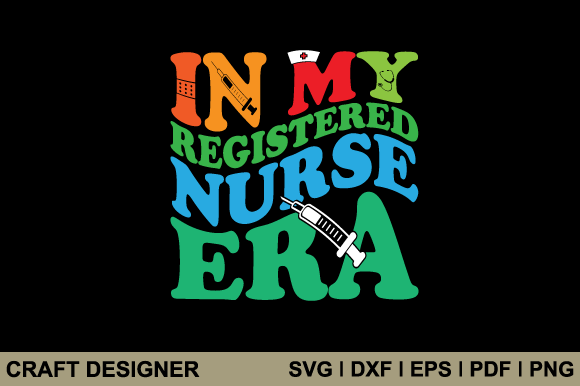
The first thing I notice is the typography. It’s bold, balanced, and built for legibility. The lettering sits comfortably with enough breathing room, so when you convert it to a machine embroidery design, the satin stitches won’t bleed into each other. Even if the file includes small decorative touches—a tiny heart, a nurse cap, or subtle stars—the overall composition feels clean. That’s huge for embroidery. Overly busy designs turn into thread headaches, but this one seems to understand that less is more on a hoop.
Real-World Test: A Custom Tote Bag for a New Graduate
I recently put this design to work while preparing a custom embroidered tote bag for a client’s daughter who just passed the NCLEX. I took the provided SVG, imported it into my digitizing software, and created a digital embroidery file sized for a 5x7 hoop. I tested it on a midweight canvas tote using a medium-weight cutaway stabilizer and a 40-weight polyester thread. The result was crisp and professional. The phrase “In My Registered Nurse Era” stitched out with a smooth satin finish, and the small nurse cap icon (if your included version has one) filled nicely with a light fill stitch. The client loved it because it felt personal and trendy—not a cheesy mass-produced mug phrase, but something that genuinely matched her daughter’s pride.
Where This Design Shines in Embroidery Projects
After testing, I can see this design working beautifully across a range of handmade product ideas. The mood is celebratory but not sappy, which makes it versatile. Here’s where it fits naturally:
- Sweatshirt embroidery: A bold, centered placement on a crewneck or hoodie feels like a boutique item. Use a no-show mesh stabilizer on fleece, and the lettering holds up even after washing.
- Tote bag design: It elevates a plain canvas tote into a giftable, stylish accessory. I’d pair it with a floral or monogram accent for extra charm.
- Personalized gift: Perfect for nurse graduation, a new job, or a holiday surprise. I’ve seen customers react emotionally to designs that name their exact career moment—this one does that.
- Custom apparel: T-shirts, long-sleeve tees, and even light jackets can carry this design well. On knits, a fusible stabilizer and a light satin stitch keep the fabric from tunneling.
- Embroidered patch: Stitch the design on a separate piece of fabric, add a dense satin border, and you have a sew-on or iron-on patch that craft buyers adore.
- Aprons and kitchen towels: For a nurse who loves cooking or baking, this design on a tea towel or apron becomes a heartwarming and practical gift.
- Baby clothes and nursery decor: A smaller rendition on a baby onesie or a small pillow cover creates a cute “nurse mom” or “nurse dad” gift. Just scale down carefully and test on a scrap of the same fabric.
- Holiday embroidery: It fits right into Christmas, Mother’s Day, or graduation season. The phrase is timeless enough to feel like a keepsake.
When to Use This Design With Extra Care
Not every embroidery project is a free-for-all. I’ve learned the hard way that even a great design can flop if you ignore the fabric and hoop. Here’s where In My Registered Nurse Era Svg Cut File needs a thoughtful approach:
- Small hoop sizes: If you try to cram the design into a 4x4 hoop, the text may become too small. Satin stitches narrower than 1.5mm can break easily, and any tiny serifs could vanish. Stick to a 5x7 or larger for best results.
- Textured and thick fabrics: Towels, terry cloth, or chunky knits can swallow fine lettering. Use a water-soluble topper and a dense underlay to keep the text crisp.
- Dark fabrics: The design relies on high contrast. If you stitch white thread on a dark navy sweatshirt, it pops. But if you go tone-on-tone, the message gets lost. Always test a thread color swatch on the actual fabric first.
- Stretchy garments: T-shirts and baby bodysuits need a soft cutaway stabilizer and possibly a basting stitch to avoid distortion. The design’s straight lines can warp if the fabric shifts during hooping.
- Curved surfaces like caps: The front panel of a baseball cap is doable, but the design must be centered carefully. I’d avoid placing it on the sides or back where the curve is extreme; the text will look wavy.
- Layered or thin fabrics: On a zip-up hoodie or a delicate rayon blouse, the needle might pull threads or create puckering. Always baste and test on a similar scrap.
Visual Appeal and Customer Perception
A big part of my evaluation is how a design makes a finished product feel. In My Registered Nurse Era Svg Cut File has a genuine emotional pull. It taps into the popular “Era” trend without being a fleeting meme. For Etsy sellers and small shop products, this kind of design builds buyer trust because it feels curated and intentional. A customer browsing a craft fair or online store will stop and smile—they recognize the pride, the inside joke, and the professional identity wrapped up in one tidy phrase. That emotional connection directly increases the perceived value of an embroidered tote, sweatshirt, or patch.
The design also plays well with branding. If you’re a boutique owner who sells nurse-themed merchandise, this file can become a core part of your collection. It’s simple enough to pair with coordinating design assets like heartbeat lines, floral wreaths, or monograms. When you use it across multiple products, you create a cohesive, recognizable look that keeps customers coming back.
Practical Embroidery Notes From the Testing Table
Before you send this design to your machine, run through this checklist. I do this for every single embroidery project, and it saves me from ruined garments and wasted thread:
- Convert the vector file correctly. The download includes SVG, DXF, EPS, PDF, and PNG. These are graphics, not stitch files. You must digitize the design into a machine embroidery format like PES, DST, or JEF. If you’re not comfortable digitizing, hire a professional or use a reputable auto-digitizing tool with caution.
- Test on scrap fabric. Always. I can’t stress this enough. Use the same fabric and stabilizer you plan to use on the final product.
- Check thread color contrast. Light thread on dark fabric, or vice versa. I often test a black-and-white version of the design in my software to see if the shape holds up without color.
- Review stitch density. If the satin stitches on the lettering are too dense, the design will feel stiff and may pucker. If they’re too sparse, the fabric shows through. Aim for that sweet spot where the text looks plush but not bulletproof.
- Inspect small details. If the SVG has a tiny nurse cap or heart, zoom in during digitizing. Details smaller than 2mm may not stitch cleanly. You might simplify them into a slightly larger, embroider-friendly shape.
- Use proper stabilizer for the fabric type. Cutaway for knits and performance wear, tear-away for stable wovens, and a water-soluble topper for anything with a nap.
- Hoop size confirmation. Measure the digitized design. I like to leave at least half an inch of clearance inside the hoop edges to avoid hitting the frame.
- Test on light and dark fabric backgrounds. A design that looks great on natural cotton might lose its charm on a black hoodie if the thread blends in.
- Create a printable mockup. The included PNG can be used to create a realistic product preview for your Etsy seller listings or social media. A good mockup builds customer confidence before they click “buy.”
- Check the license for commercial embroidery. Always read the terms. Most digital files like this are intended for personal and small business use, but you need to confirm you can sell finished items with the design. The listing doesn’t detail restrictions, so reach out to the seller if you plan to offer it on physical products in your shop.
Thread Choice and Stitch Personality
I love how this design reacts to different thread colors. For a classic, clean look, I’d stick with a single color—white, black, gold, or a soft blush. The satin stitch on the letters gives a subtle sheen that catches light beautifully on a tote bag or sweatshirt. If you want to add a pop of personality, you could use a variegated thread for the nurse cap icon, or outline the text with a running stitch in a contrasting color. The design’s simplicity invites creative experimentation without overwhelming the eye.
Final Thoughts on Stitch-Worthiness
After working with In My Registered Nurse Era Svg Cut File on multiple samples, I’m confident it’s a strong addition to a craft business owner’s library. It’s not a ready-to-stitch embroidery file, so you’ll need digitizing skills, but the design itself is thoughtfully composed for embroidery. The phrase is emotionally resonant, the layout is hoop-friendly, and the finished product looks far more expensive than the time and materials you put in. Whether you’re making a personalized gift for a nurse friend or expanding your handmade product line, this design will likely become a repeat seller. Just remember to test, stabilize, and respect the file’s details—and you’ll have a piece that stitched-out beautifully.