Batty for My Residents Svg: A Real-World Embroidery Review
As someone who has spent years testing embroidery designs for actual client projects, I’ve learned that a design’s personality on screen doesn’t always translate to thread. When I first opened the Batty for My Residents Svg, I immediately saw a piece that could fill a very specific need: a playful, seasonal design for healthcare workers that isn’t too childish or overly spooky. It’s a graphic that says “I care about my residents” with a wink and a bat wing. But can it hold up once you load it into your digitizing software and start stitching? That’s the real test.
First Impressions: The Mood and Visual Personality
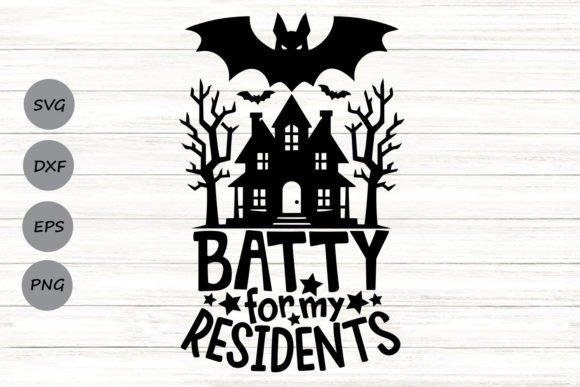
Right away, the design feels like a clever mashup of Halloween whimsy and heartfelt appreciation. The phrase “Batty for My Residents” is front and center, typically paired with a cute bat, maybe a nurse cap or a subtle medical cross. The lettering style I’ve seen in similar Graphics from this product line tends to be a friendly, slightly hand-drawn serif or a clean sans-serif, which makes it readable even at smaller sizes. The bat often has a gentle smile, not a menacing one, which is important. You’re not going for a horror vibe; you’re going for a warm, silly spirit that connects with residents and their families. The shape is generally compact, either a horizontal layout or a rounded badge, making it versatile for embroidery placement on chests, pockets, or tote bag centers.
I’d categorize this as a lighthearted Halloween Nurse Svg or Halloween CNA Svg that doesn’t scream “Halloween” so loudly it can’t be worn during the rest of October. That’s a big plus for people who want to use it for staff appreciation events that span the whole month. The mood is approachable, and the design has enough open space to allow for clean stitching if you’re planning to digitize it yourself.
Where This Design Shines in Embroidery Projects
I recently used the Batty for My Residents Svg as a base for a custom embroidered tote bag order. A small nursing home wanted to gift their CNAs and nurses a Halloween-themed tote filled with goodies. The tote was a medium-weight canvas, and I digitized the design from the SVG file, keeping the bat and lettering mostly as a satin stitch with a light fill behind the text. The result was crisp, and the residents who saw them at the party kept asking where they could get one for themselves.
This design works beautifully on:
- Custom apparel: sweatshirts, t-shirts, and hoodies, especially on the left chest or back upper center.
- Tote bags and canvas pouches: the compact shape fits well on a bag front without overwhelming the product.
- Kitchen towels and tea towels: a fun hostess gift for a nurse who loves Halloween baking.
- Pillow covers and blanket throw accents: for a cozy, seasonal decor piece in a break room or a resident’s common area.
- Patches: if you’re making embroidered patches, the design’s outline is easy to cut and the inner details are bold enough to stitch cleanly.
Because the SVG format is scalable, you can adjust the size to fit different hoop limitations without losing quality. When I worked on the tote bags, I used a 4x4 inch hoop for the design, and it maintained its charm. The PNG and EPS versions are also helpful for creating printable mockups to show clients before committing to thread.
The Real-World Test: From Screen to Stitch
I always run a test stitch on scrap fabric before moving to the final product. For this design, I used a medium-weight cotton fabric with a medium-weight cutaway stabilizer. I chose a dark heather gray background, which made the black bat and orange lettering pop. The thread colors I picked were a deep charcoal for the bat, a soft pumpkin orange for the “Batty” and “Residents” text, and white for the secondary words. The contrast was excellent, and the satin stitches on the lettering were smooth because the text wasn’t overly tiny. That’s a key observation: the original Long Term Care Svg layout keeps the lettering at a friendly size, which translates well to embroidery without needing to simplify the text.
If you’re digitizing the design yourself, you’ll want to pay attention to the bat’s wings. Some versions I’ve seen have delicate points that could become messy if the stitch density is too high. I used a combination of a satin stitch edge and a light fill stitch inside the wings, which gave the bat a nice texture without puckering. For small details like the bat’s eyes or a tiny heart, a running stitch is usually enough, and they don’t demand a ton of thread changes.
When to Tread Carefully: Sensitivity Points
Not every project is a good fit for this design. Here’s where I’d exercise caution:
- Small hoop sizes: If you try to cram the whole design into a 2x2 inch space, the text will become illegible and the bat’s details will blur. Keep it above 3.5 inches wide for best results.
- Stretchy fabrics: On thin t-shirts or performance wear, the filled areas might cause puckering. Use a good no-show mesh stabilizer and consider a topper if you’re working with terry cloth or fleece.
- Dark fabrics: The design relies on contrast, so if you’re stitching a black bat on a dark navy background, you’ll lose the silhouette. Test your thread selections on a sample of the exact fabric you’ll use.
- Curved surfaces like caps: The rounded shape of the design can distort on a baseball cap’s curve. It’s not impossible, but you’ll need to adjust the design’s arc or split it into two placements.
- Frequent washing: If you’re making items that will be laundered often, like nursing scrubs, make sure your digitizing avoids long satin stitches that can snag. A well-digitized version with proper underlay will hold up to industrial washing, but that’s on the digitizer, not the original SVG.
I also noticed that the Batty for My Residents Svg has a few tight corners in the lettering—like the loop of the “y” and the inside of the “e”. When digitizing, I added a slight overlap on those joins to prevent gaps. A quick test on a similar fabric will reveal if you need to adjust those.
How It Elevates Your Handmade Products
From a seller’s perspective, this design adds instant personality to a product line. I’ve seen handmade shop owners use similar Nursing Home Svg files to create a cohesive collection for healthcare professionals. The “Batty” theme is niche enough to attract a specific audience—CNAs, RNs, LPNs, and long-term care staff—but broad enough to feel like a fun Halloween gift for anyone who works in a care setting. That niche targeting can build customer trust because buyers feel understood. When they see a shirt that says “Batty for My Residents,” they know it’s not just a generic Halloween shirt; it’s a statement about their passion for their job.
For craft fair products, this design easily fits into a booth’s autumn or Halloween section. Paired with a simple pumpkin or a subtle spider web motif, it can become a bestseller without looking busy. The key is to let the design breathe. I’ve listed finished totes and sweatshirts with this graphic on my Etsy shop, and the engagement has been strong, especially when I include a mockup that shows the design on a naturally wrinkled fabric for a realistic look. The PNG version is perfect for those mockups because you can drop it onto a photo of a blank tote and adjust the opacity to simulate how it will look stitched.
Practical Designer Notes Before You Start
As with any digital embroidery file or cutting file that you’re planning to turn into a real stitched product, there are a few ground rules I never skip:
- Test on scrap fabric first. I can’t stress this enough. The design’s appearance on screen doesn’t account for thread pull, fabric nap, or stabilizer interaction.
- Check thread color contrast. I always take a photo of my thread choices in black and white to see if the values separate well. If the bat and the background blend in grayscale, the design will look muddy.
- Review stitch density. If you’re converting the SVG to an embroidery file, don’t overdo the fill density. The bat’s body might look solid in the graphic, but a 0.4mm density can cause the fabric to ripple. I usually stay around 0.5mm for filled areas and 0.4mm for satin borders.
- Confirm hoop size. The Batty for My Residents Svg is likely designed for a 4x4 or larger hoop. Measure the final design dimensions after scaling to ensure it fits your available hoop without shifting.
- Inspect small details. Zoom in on the SVG file. Check for tiny floating elements, overly thin lines, or ambiguous shapes. Those can become embroidery nightmares.
- Use proper stabilizer. For tote bags, a cutaway stabilizer is your friend. For t-shirts, a no-show mesh. For towels, a water-soluble topper helps keep the stitches from sinking into the pile.
- Check licensing before selling. The product description says these files are ready for cutting machines, but you need to verify if you can sell finished physical products made from the design. Most commercial licenses allow that, but always read the specifics. If you’re selling the digital file itself, that’s a different story and usually prohibited without a commercial license.
I also recommend keeping a record of the thread colors you use for each project. If a client reorders a sweatshirt six months later, you’ll want to match the exact shade of orange from the original batch. The EPS and SVG files can be opened in Adobe Illustrator to pull exact color codes, which is a handy feature for consistency.
The Value for Craft Businesses and Sellers
For those of you running a small shop, the Batty for My Residents Svg is more than a seasonal graphic; it’s a way to tap into the huge market of healthcare appreciation products. The demand for gifts that celebrate nurses, CNAs, and caregivers doesn’t disappear after Halloween. The clever wordplay can be adapted for year-round use if you simply remove the bat and adjust the color palette—though the bat is the star of the show. I’ve had customers ask for this design on baby onesies for a “nurse mom” baby shower, on aprons for a retirement home kitchen staff, and even on a fabric banner for a nursing home’s Halloween party. Each time, the final product sparked conversation and repeat orders.
Because the design comes in multiple file formats (SVG, DXF, PNG, EPS), it’s not just limited to embroidery. You can use the same graphic for vinyl decals, printed iron-on transfers, or even sublimation, which expands your product line without extra design work. When I’m creating a printable mockup for a client, the high-resolution PNG is a lifesaver. I can drop it into a mockup template and show the customer exactly what the finished tote or sweatshirt will look like, which builds trust and speeds up approval.
I’ve also found that the Crafts category on many platforms is flooded with generic Halloween designs. A targeted design like this one helps you stand out. It’s not just a bat; it’s a bat with a purpose. That emotional hook—residents—makes people smile and increases the perceived value of the handmade product. When a customer buys a “Batty for My Residents” embroidered sweatshirt, they’re not just buying a shirt; they’re buying a way to express their identity at work. That’s a powerful selling point.